From our Community to the Capitol
I can’t believe Week 2 of the 2026 General Legislative Session is already behind us! It was another productive week of advancing conservative solutions that strengthen Utah’s future. We made significant progress on initiatives to keep our energy resources reliable and accessible, enhanced our election security, and moved forward with bills designed to keep Utah affordable for current and future generations.
My commitment remains fighting for our community by supporting families, protecting liberty, and promoting a thriving economy for Utah. If you’d like to follow the process more closely, you can watch sessions live and view daily agendas at le.utah.gov.
Familiar Faces at the Capitol this Week
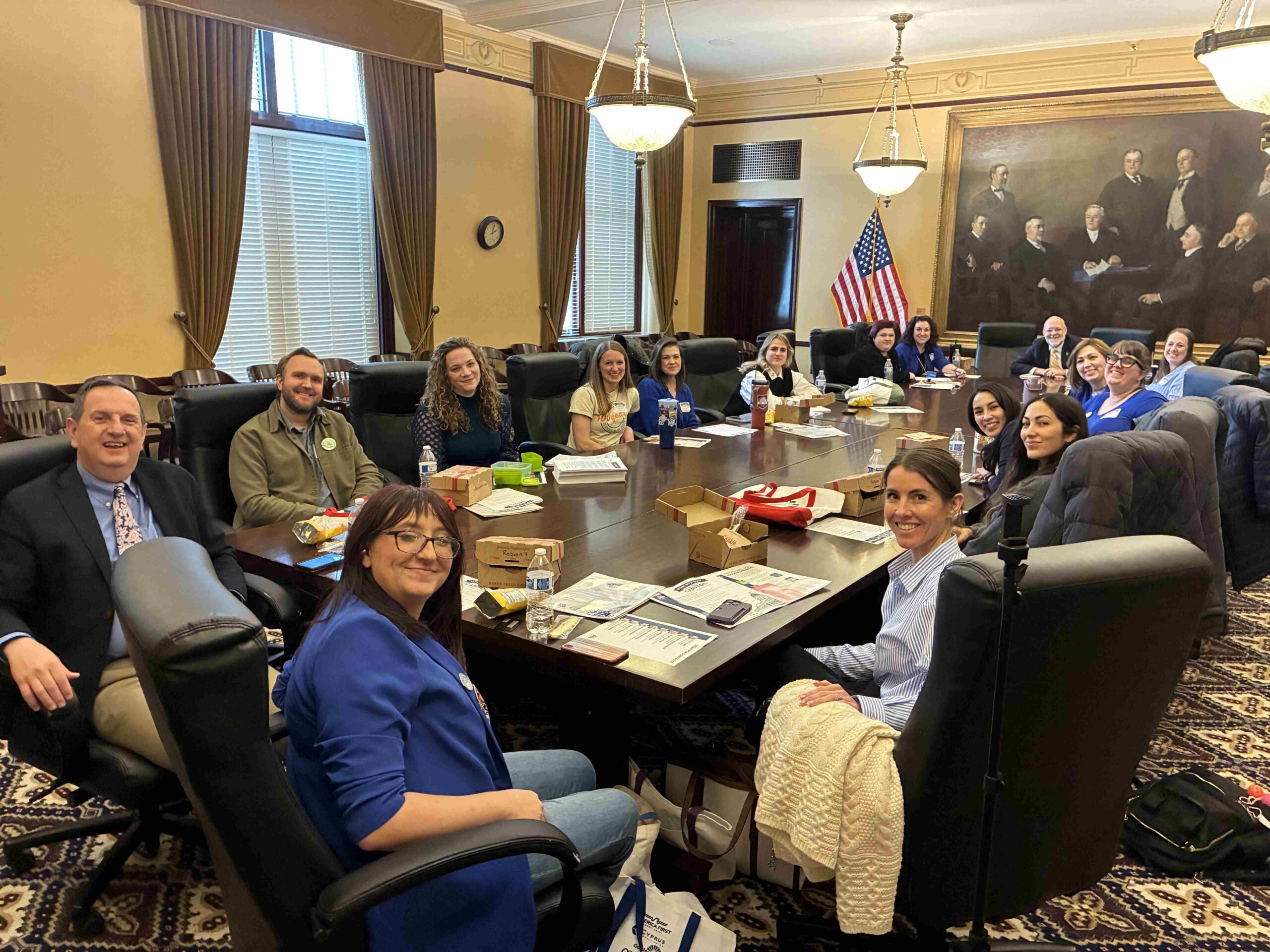
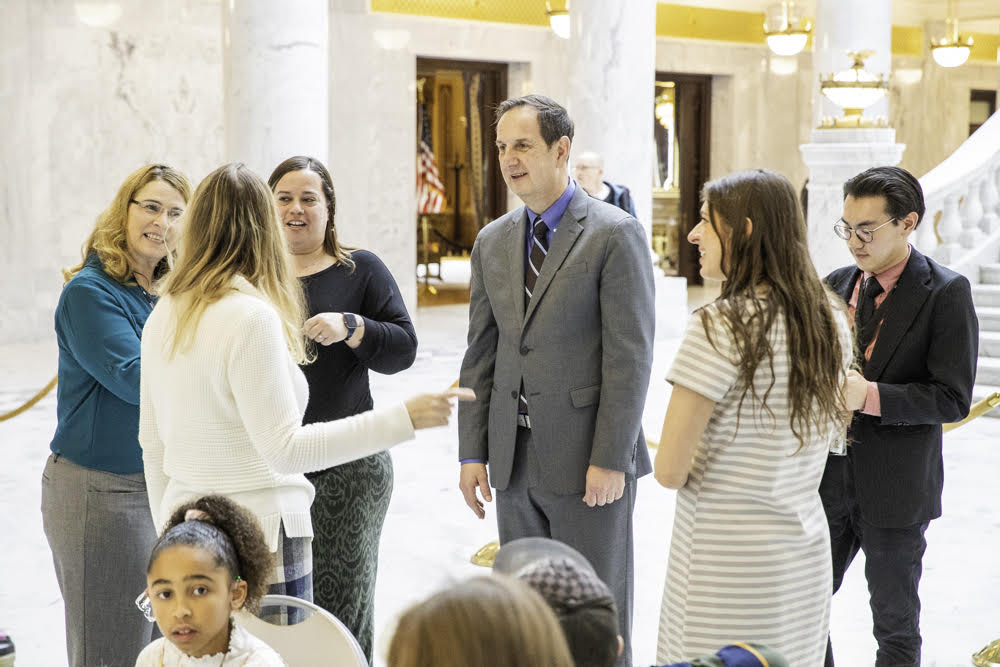
One of the best parts of my week is being treated to visits from the people I represent. This week, I had several great groups from District 62 stop by:
- District 9 PTA: I had a wonderful meeting with representatives from the Nebo and Provo PTA.
- Provo City School Board: It was great to have members of the board stop in to say hello.
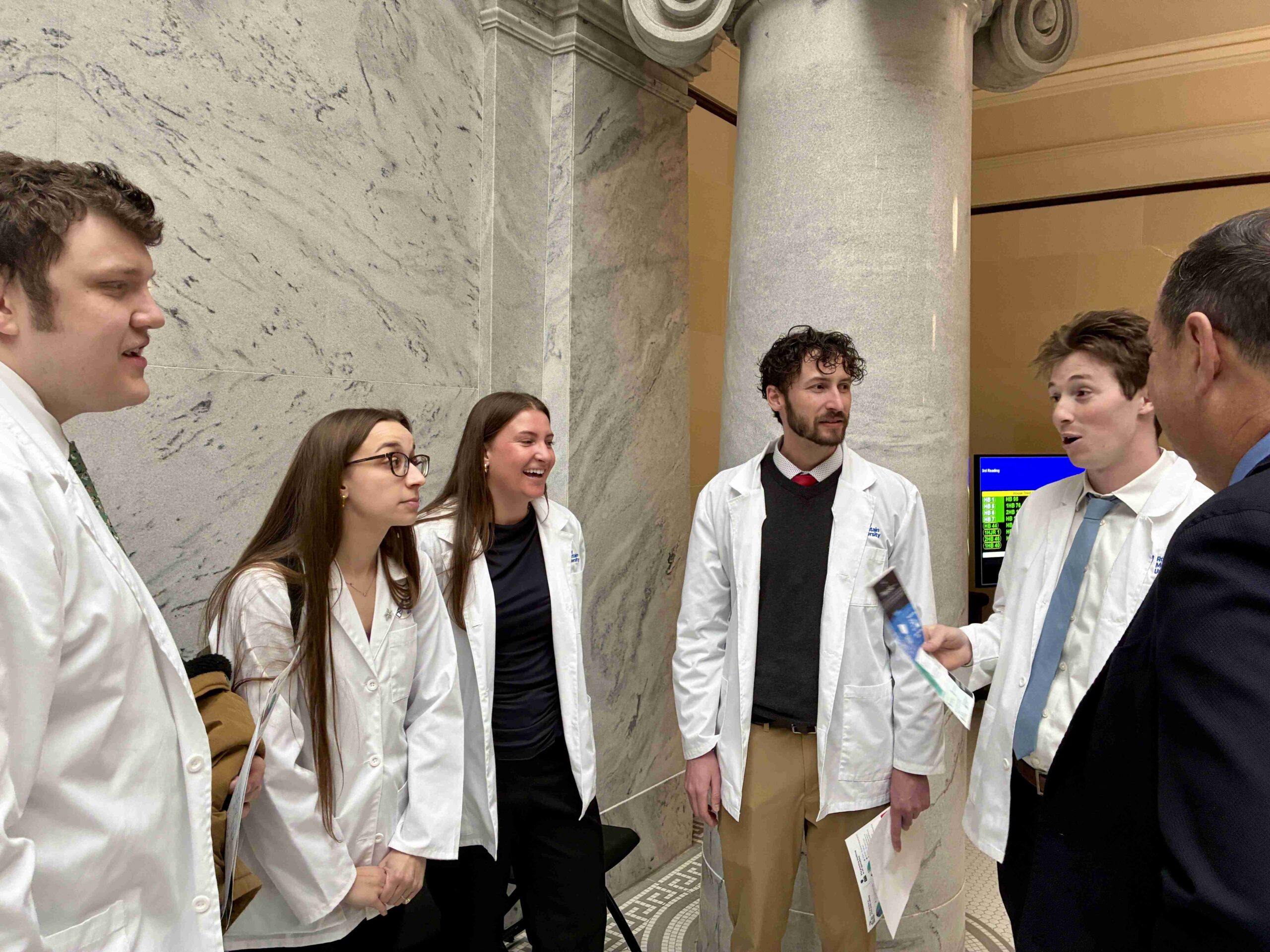
- Rocky Mountain University of Health Professions: For Physician Assistant Day on the Hill, I had the privilege of meeting several students studying right here in our community.
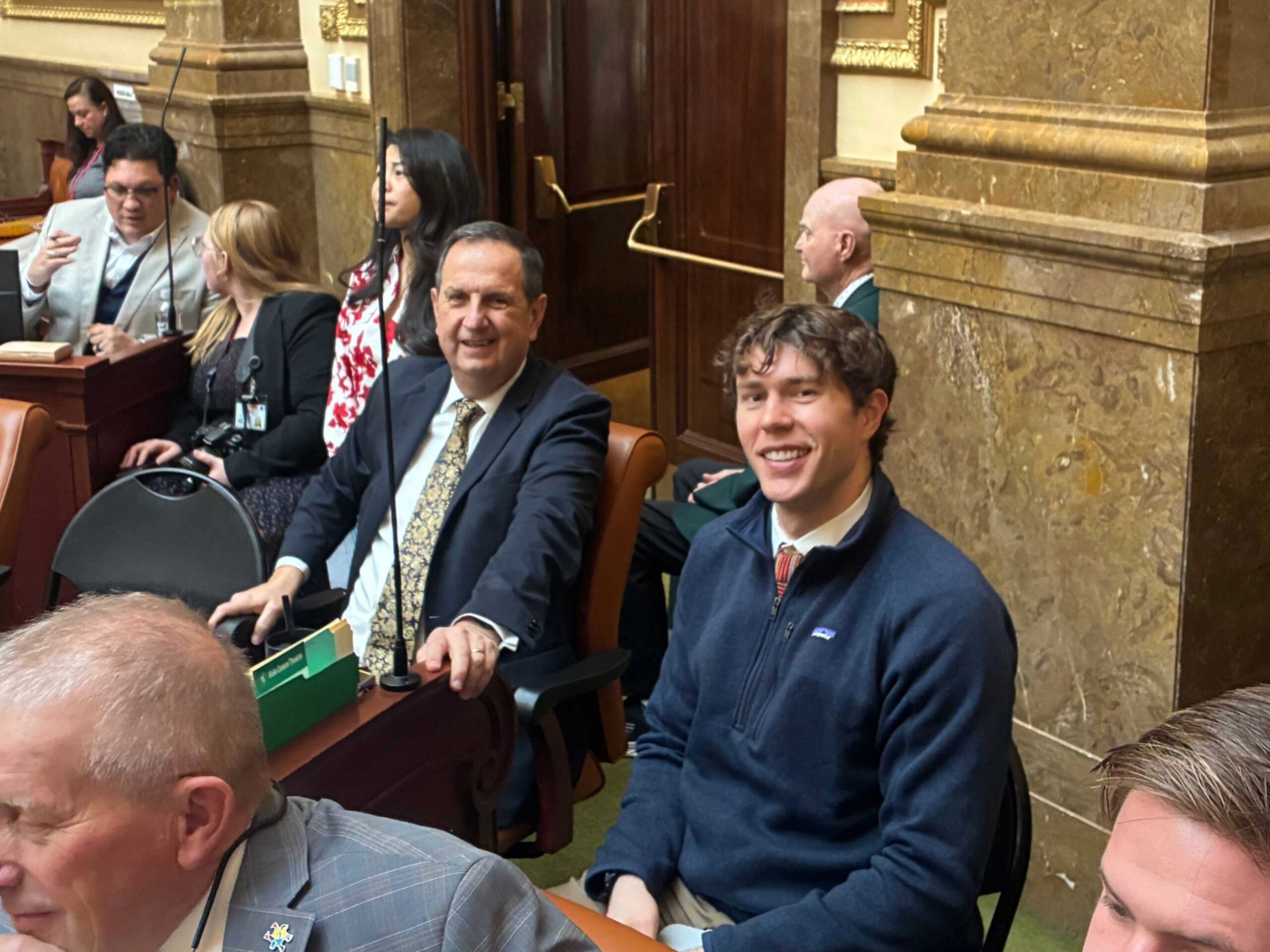
- Student Visit: A special thank you to Alex, a BYU microbiology student, for coming to sit with me during floor time.
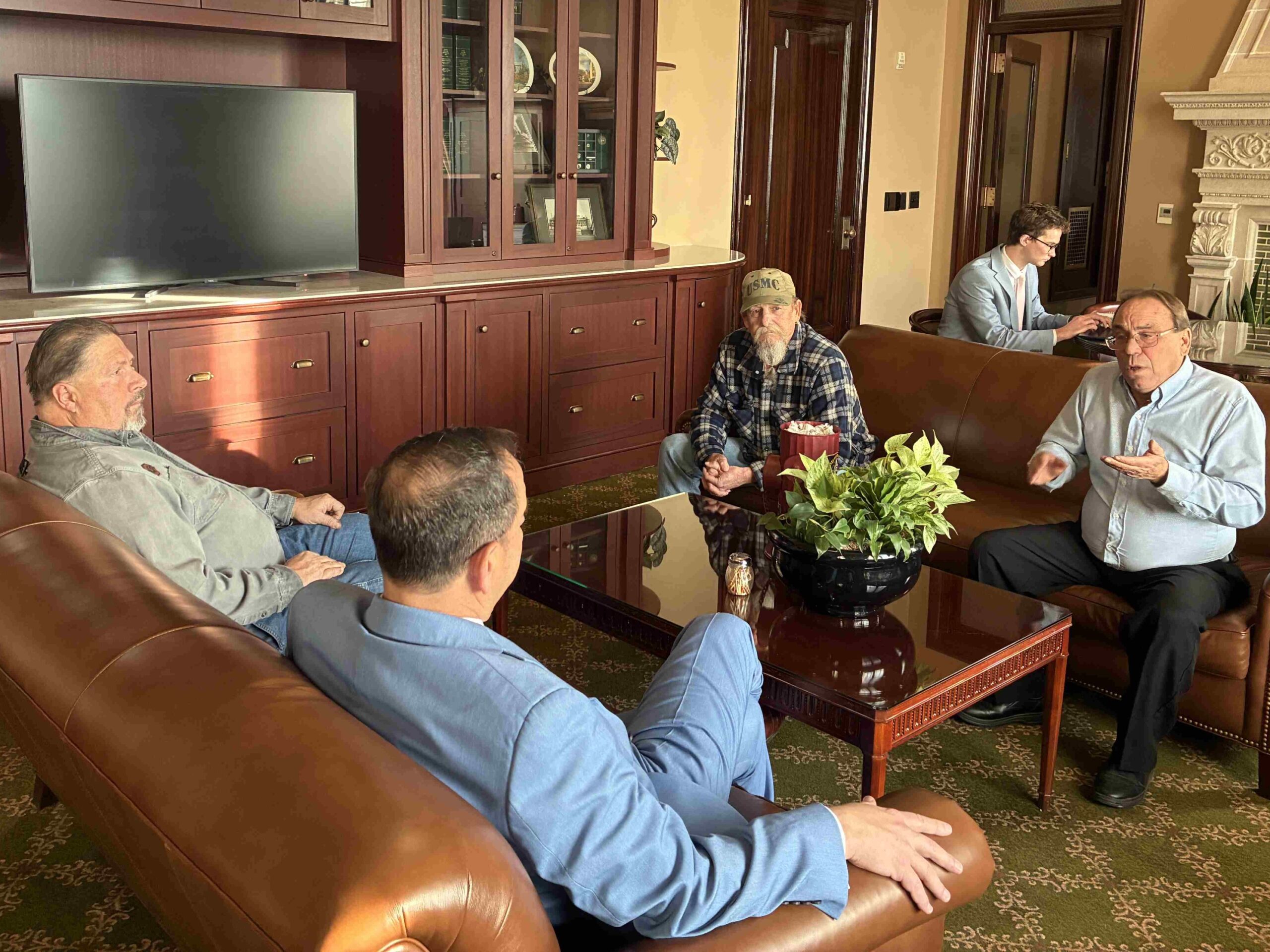
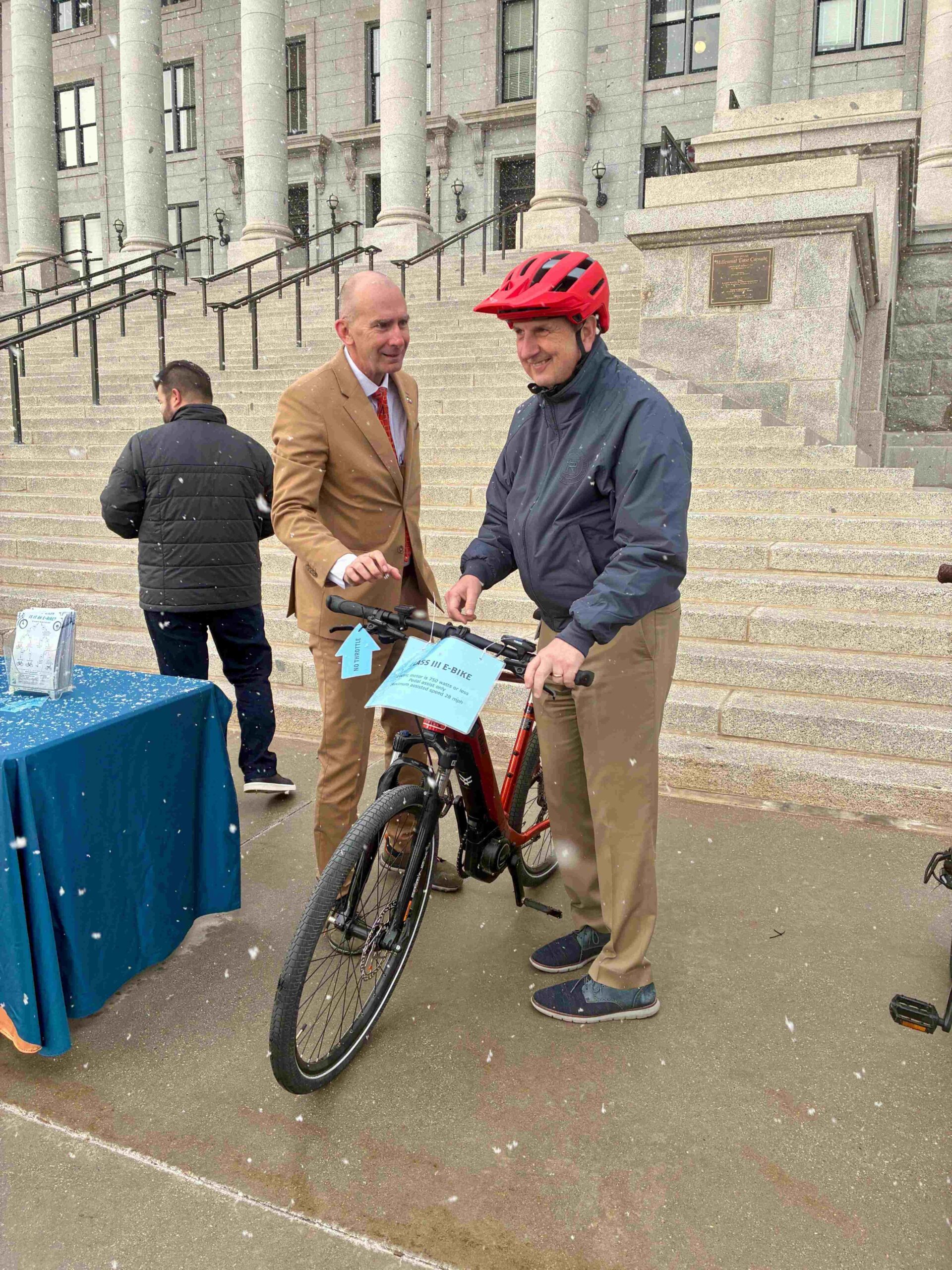
I also met with members of ABATE (American Bikers Aimed Toward Education) to discuss rules of the road. While I enjoy riding my own bike, I don’t consider myself the expert on every rider’s experience, so it was essential to hear their lived perspectives to ensure our policy serves its intended purpose without needing constant amendments.
Happening on the Hill
Legislative Prayer Caucus
Even with the never-ending pace of the session, I found some time to attend the Legislative Prayer Caucus Meeting. We heard a fantastic message from Rod Hall, a member of the Utah State Board of Education. This gave me a nice midday reset.
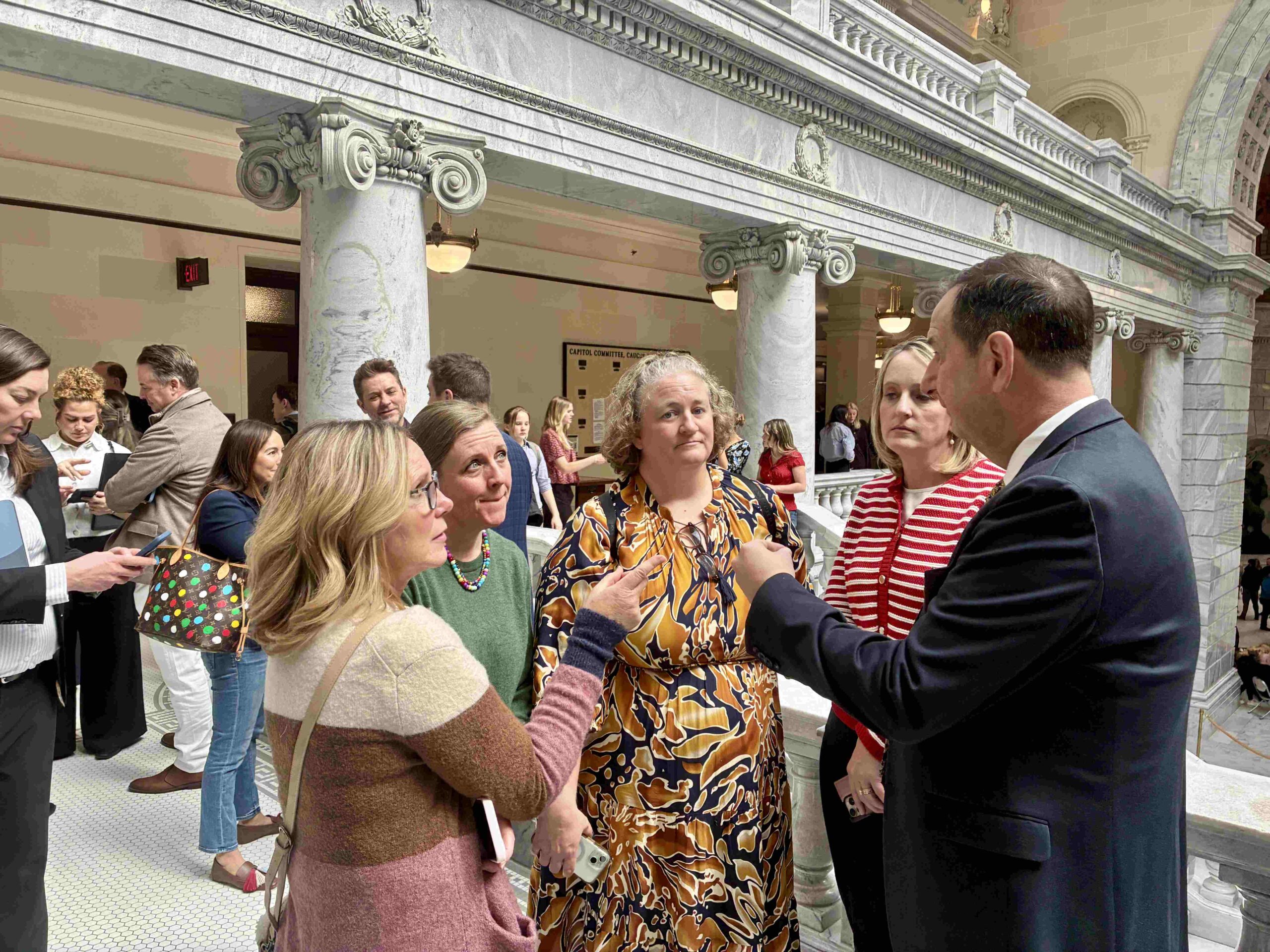
Legislative Coalition for People with Disabilities
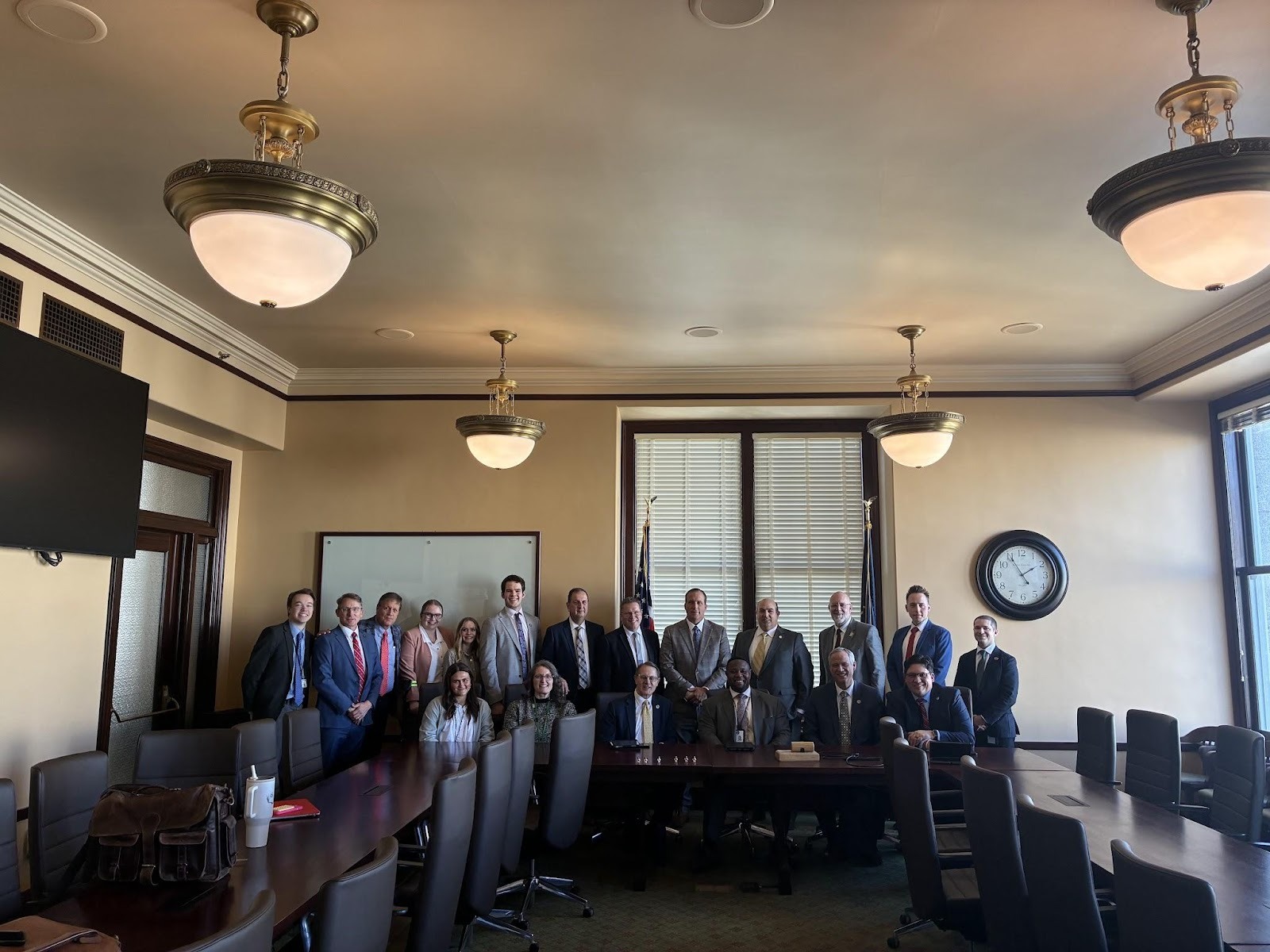
Earlier this week, the Capitol hosted the Legislative Coalition for People with Disabilities (LCPD), an organization advocating for individuals with disabilities across Utah. Programs like this are often underfunded, which is unfortunate given the vital role they play in supporting both the broader community and those directly impacted by disabilities, whether individuals themselves or their loved ones.
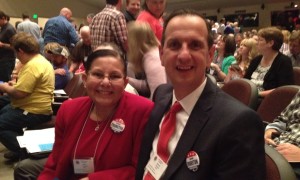
The LCPD provides essential services and creates a safe, inclusive space for advocacy and support. While the coalition typically hosts an annual event at the Capitol, this year’s turnout was one of the largest I have seen. It was inspiring to see so many people come together to advocate for such an important cause.
Unclaimed Property: A Message from Your State Treasurer
“One in five Utahns has lost money, and most don’t know it. I certainly didn’t until I became state treasurer and learned about an overpaid medical bill in my daughter’s name. The amount of lost money reported to my office’s Unclaimed Property Division surged last fiscal year to $178.3 million. By comparison, in 2021 we took in $52.1 million. We encourage every Utahn to search mycash.utah.gov—not just once, but annually—for themselves, their family members, deceased relatives, businesses, and nonprofit organizations they support.” – Marlo Oaks
Upcoming Town Hall: Let’s Talk Policy at Bills and Bagels
One of the most important parts of this process is hearing directly from you. I’ll be participating in a Town Hall with other Utah County legislators to discuss this year’s big issues and to answer any questions you have about the session so far.
- When: Saturday, February 28th
- Time: 7:30-9:00 AM
- Where: Nebo School District Offices, Spanish Fork
Whether you have a specific concern or just want to hear a status update on a certain bill, I’d love to see you there.
Bill Status Update
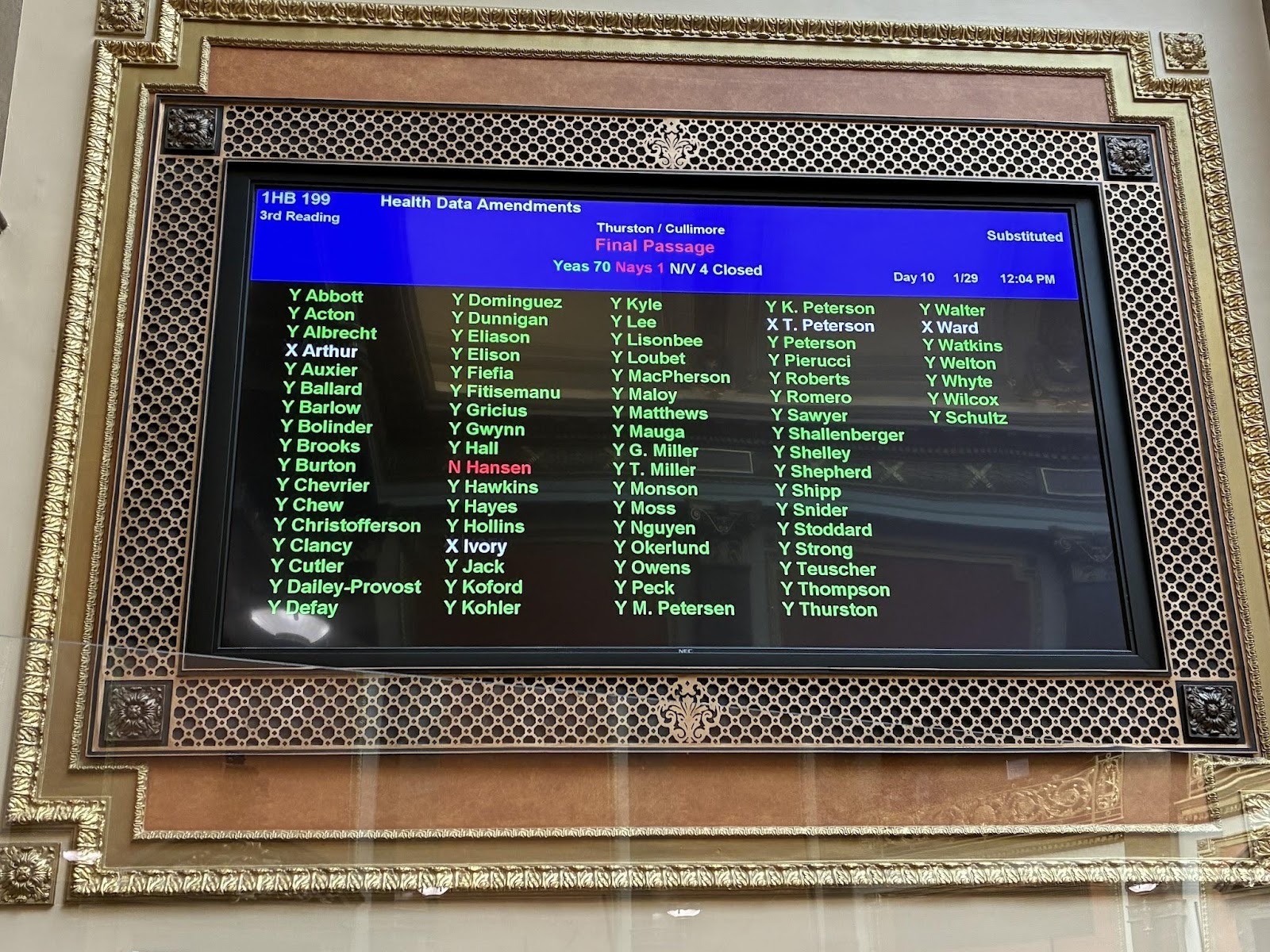
This week, one of the bills that I am sponsoring this session, HB 199 – Health Data Amendments, passed the House Floor in a near-unanimous vote and is now in the Senate. I have written about HB 199 before, but here’s a quick summary of the bill. HB 199 strengthens operational protocols, strategic planning, and protections for health data. Health data serves a variety of critical functions, including:
- Informing hospital systems about opportunities for future planning
- Evaluating the performance and value of Medicaid accountable care plans
- Regulating health insurance companies
- Reporting on the cost and quality of care provided by health care providers and systems
- Helping employers structure plans to focus on high value care for employees
- Documenting statewide trends in disease prevalence and chronic conditions
- Providing benchmarks to promote competition and innovation by private sector health companies
- Identifying fraud, waste, and abuse
- Monitoring patient safety incidents and informing preventive actions
You can track the process of this bill here.
Progress of Sponsored Bills
| Bill | Status | Summary |
| HB 22 | House 3rd Reading | Replaces the Vintage Vehicle program with a “Classic Vehicle” program which will eliminate the incentive for people to cheat on the system by removing the requirement for non-OBD-II vehicles to have emissions tests. |
| HB 74 | House Rules | Simplifies the initiative and referendum packets to reduce cost and allow more than 2 signatures per page. |
| HB 129 | House Rules | Clarifies roles between the Legislature, school boards, and the Superintendent. |
| HB 199 | Senate Rules | Strengthens and enhances the operational protocols, strategic planning, and protections for health data. |
| HB 231 | House Rules | Repeals the restaurant tax. |
| HB 384 | House Rules | Clarifies the structure and oversight authority of the Department of Government Operations, including its divisions and offices. |
| HJR 10 | House 3rd Reading | Allows bill sponsors to share and publicize supporting bill information. |
| HR 3 | House 3rd Reading | Allows sponsors to formally abandon numbered bills. |
Norm, appreciate the update. I do have a question concerning the increase in Supreme Court Justices. Why was this considered necessary? I am a little concerned that it might be considered padding the court. I would like your take on this if you have the time. Thanks