Shoutout to My Intern
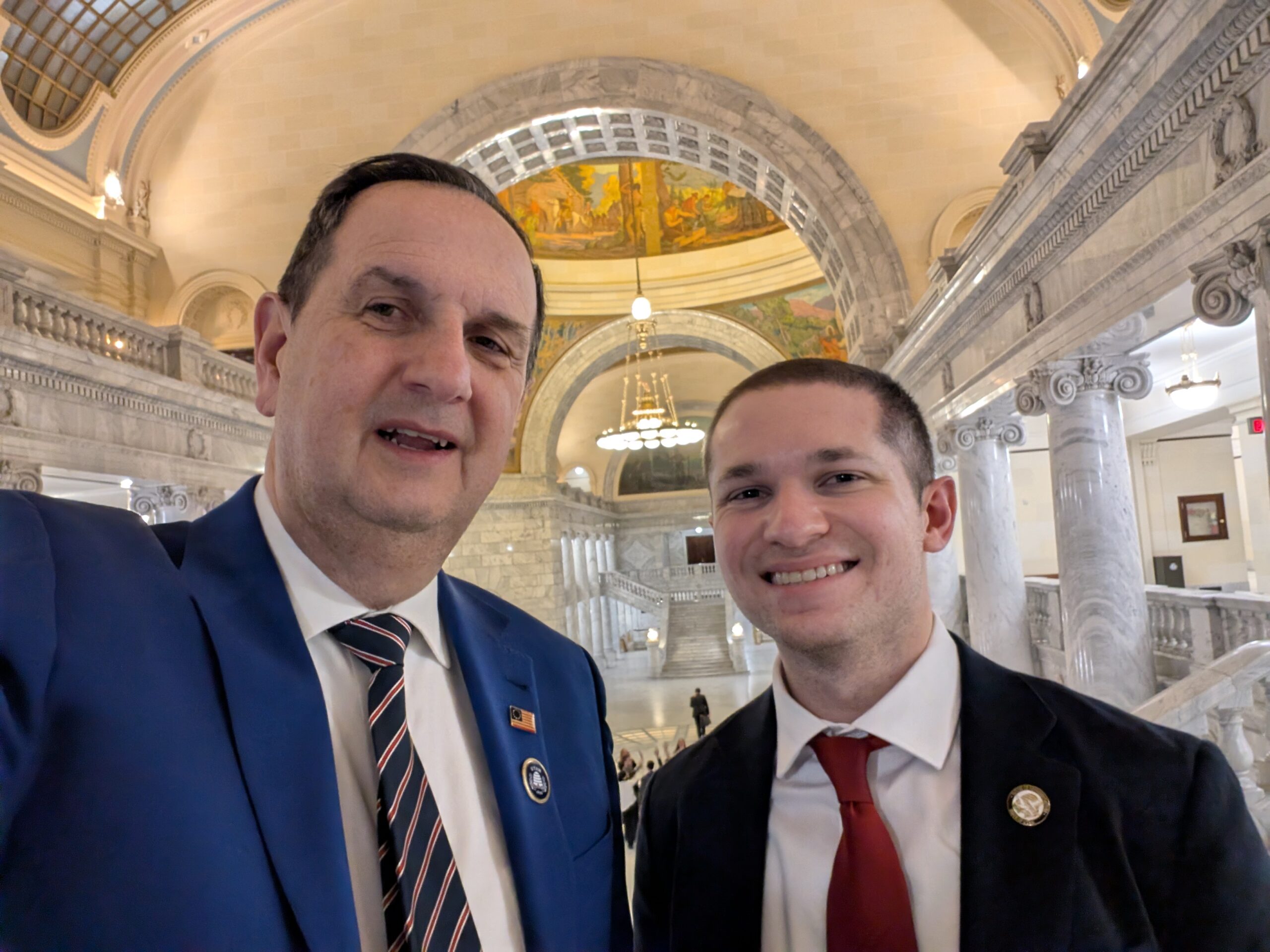
UVU Student Dylan Mervis was my intern this year. The intern program matches talented Utah college students with legislators. They have a variety of tasks and assignments that vary by legislator. Dylan’s primary job was to keep me organized and performing efficiently. He managed my calendar, tracked my bills (where, what and how to get them passed), and provided a variety of other services, such as drafting emails and newsletters, printing all sorts of things, and interfacing with the many people that want to meet with me.
I am truly convinced that I had the best intern of anyone this year. Thanks Dylan!
The End
As the 2026 legislative session concludes, I am proud of the work we’ve accomplished for the people of Utah. My focus this year was simple: make life more affordable for families and keep the government accountable to you. Utah families are feeling the pressure of rising costs, and we worked to help you keep more of your income. We lowered the income tax, expanded the child tax credit, and cut unnecessary red tape. These steps help put more of your hard-earned money back into your pocket.
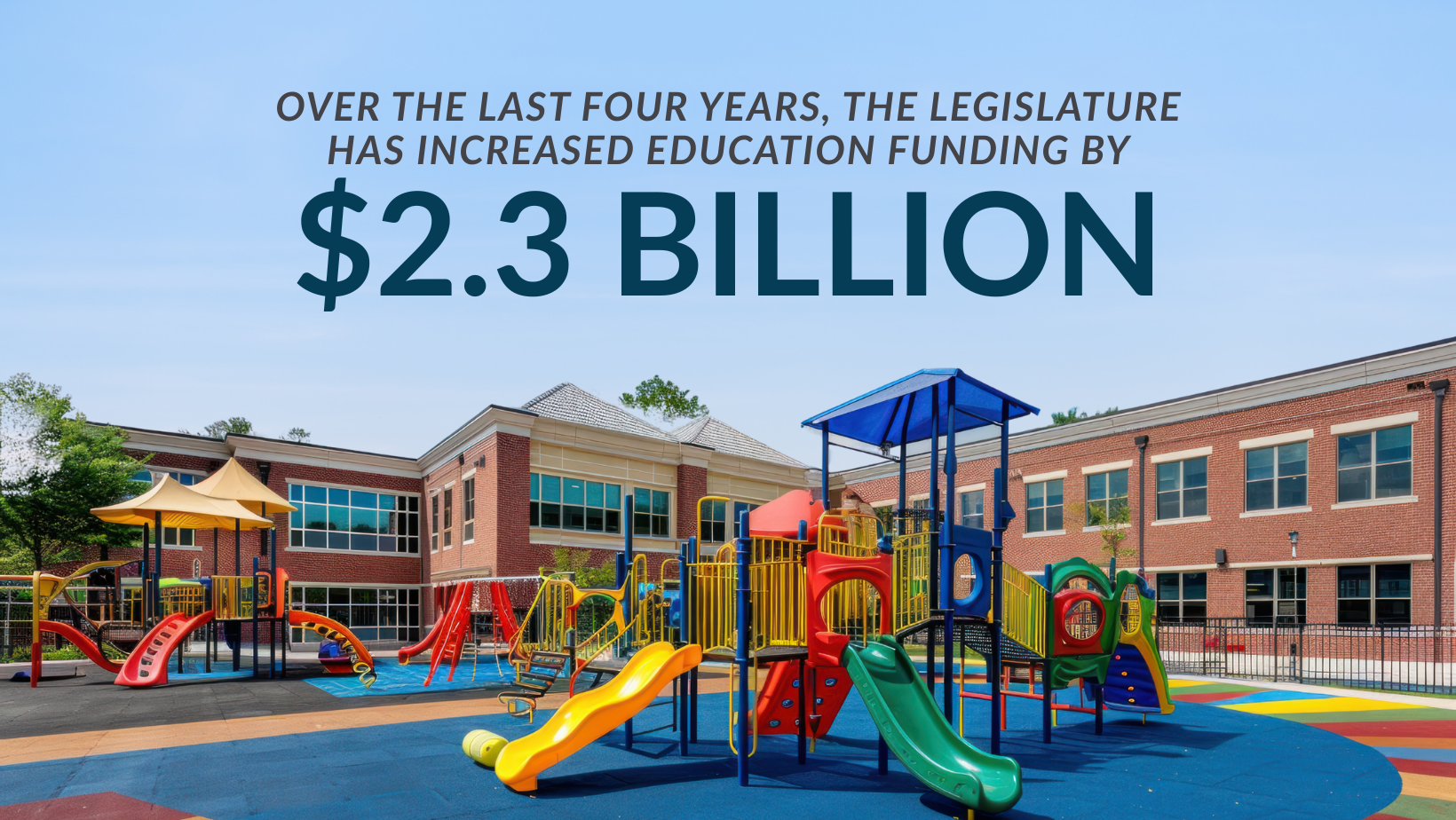
We also continued our efforts to keep Utah a great place to raise a family. Over the past four years, we’ve increased education funding by more than $2.3 billion. We’re protecting our water future by supporting efforts to preserve the Great Salt Lake. We’re working to lower housing costs by reducing red tape and investing in local infrastructure. And we’ve improved transparency in the courts by helping create free access to public court records.It has been an honor to serve as your representative this session and to work for our community. As our time at the Capitol concludes, I look forward to reconnecting with neighbors across the district and hearing about the issues that matter most to you. If you’d like to follow this year’s legislation or learn more about what we achieved, visit le.utah.gov.
Happening on the Hill
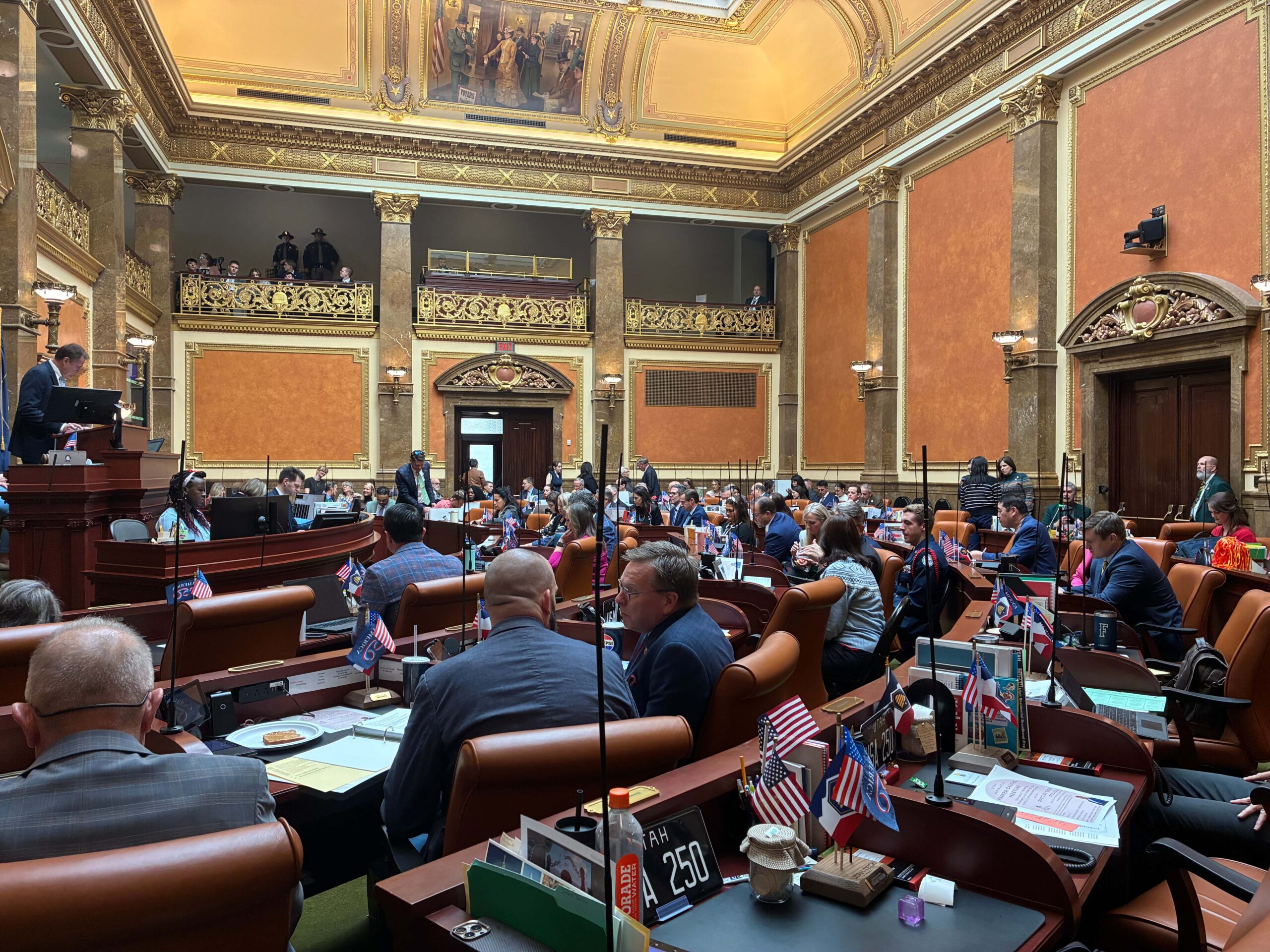
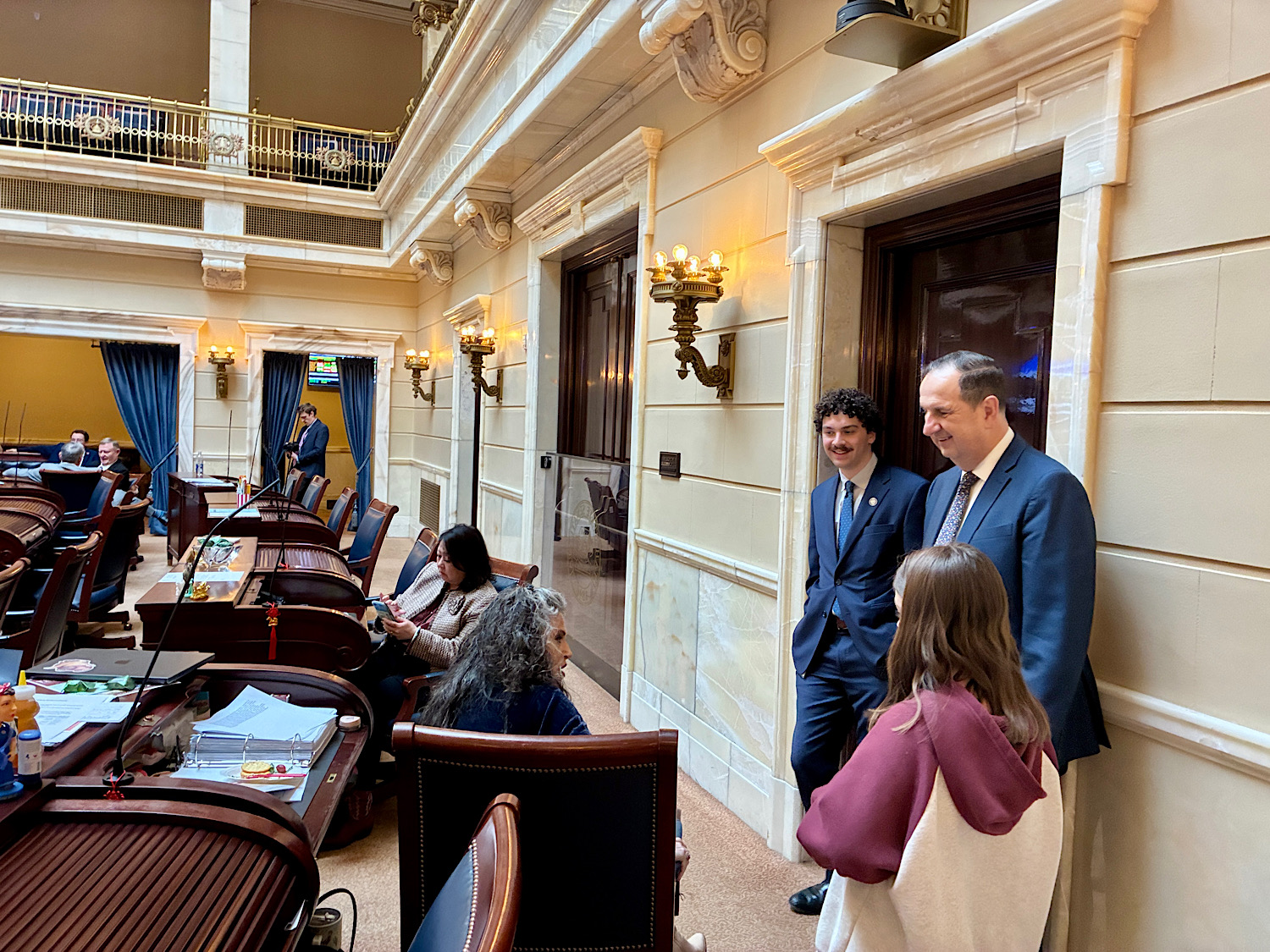
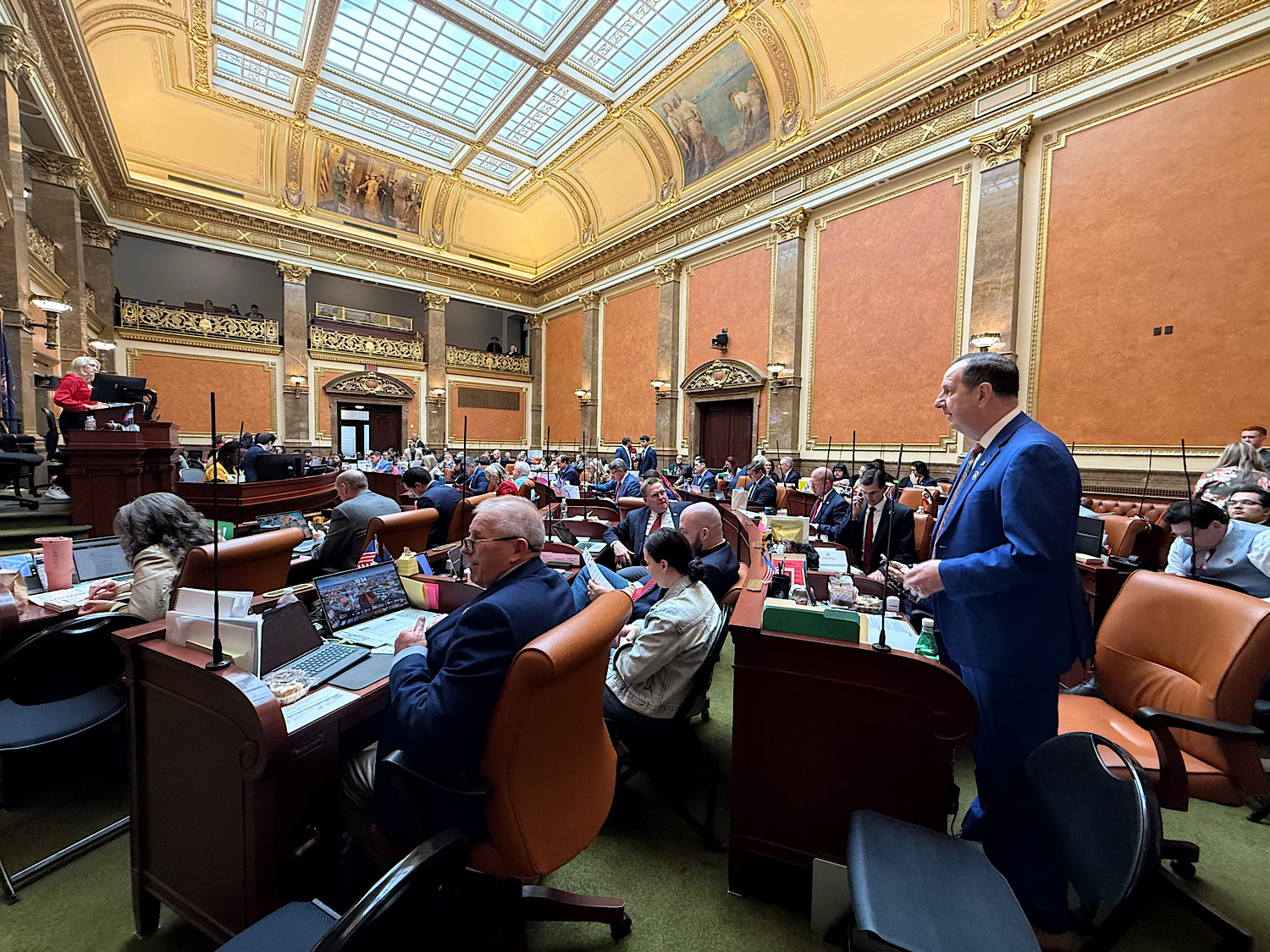
The last week of the 2026 General Session means one thing: long days on the floor. With votes to cast and business to finish, most of my time this week was spent right there, but a few memorable moments made it more than just another week of work.
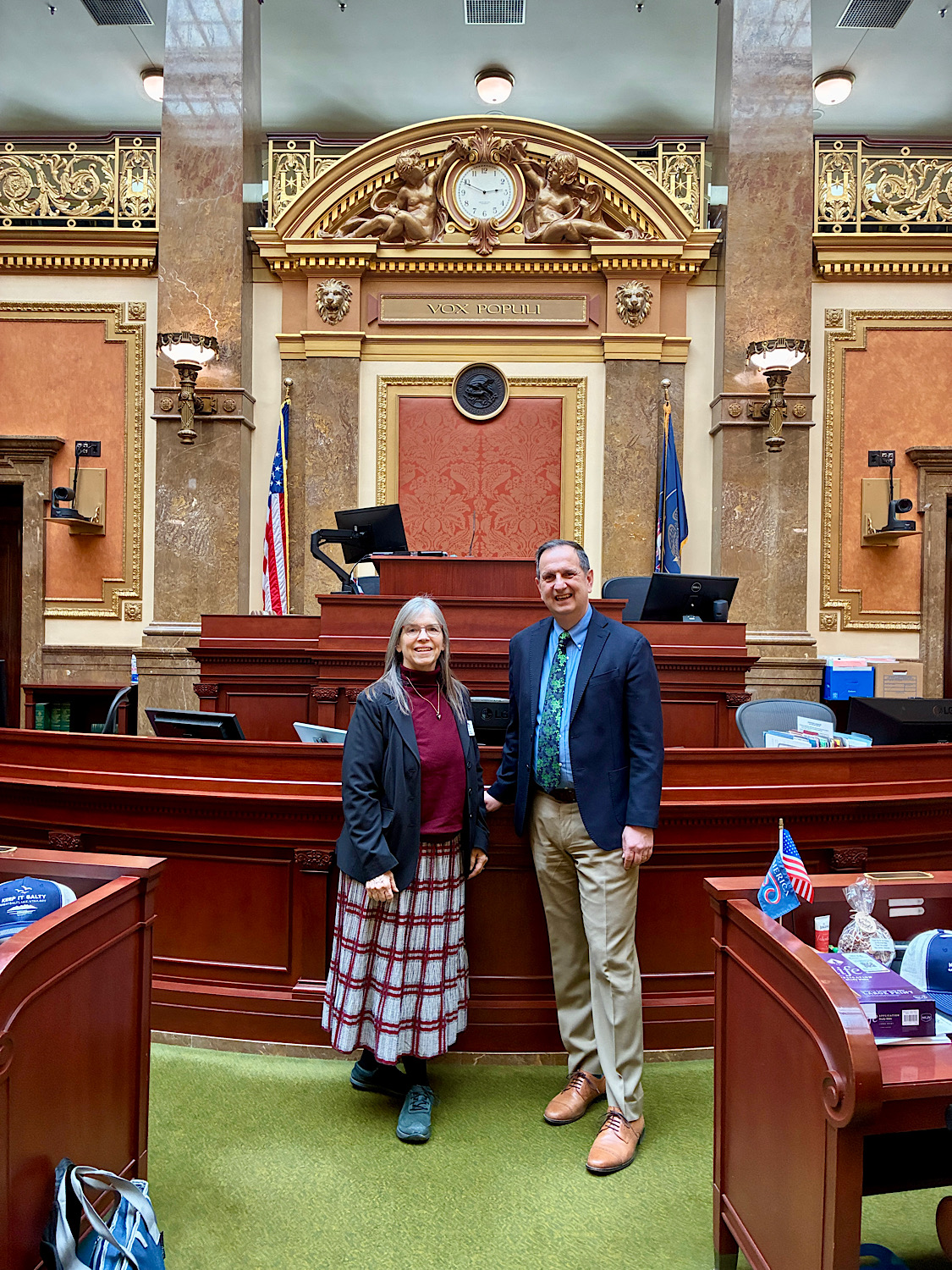
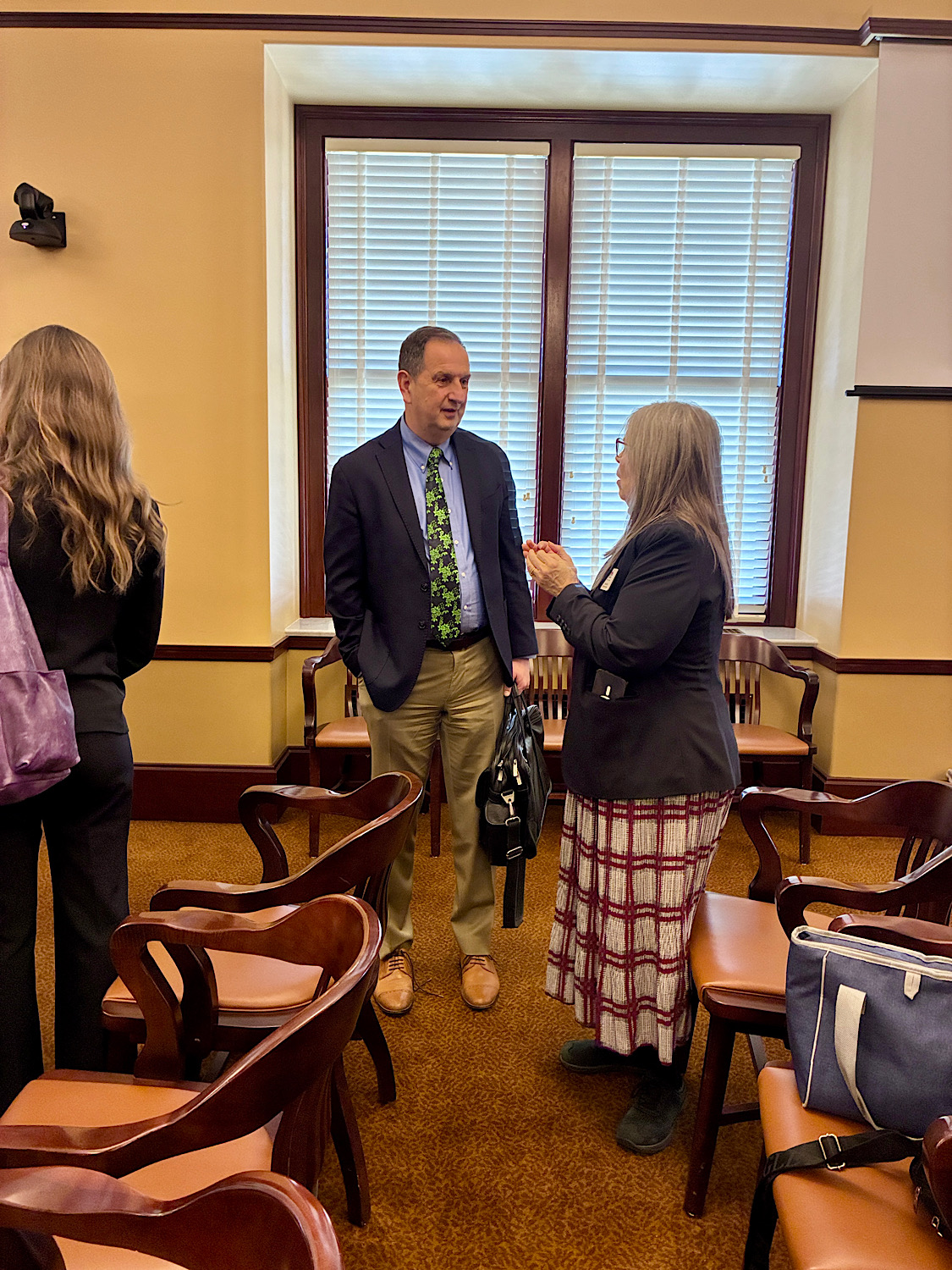
Sara Harvey from the Springville-Mapleton Chamber of Commerce visited the Capitol this week. She joined me for the House Business, Labor, and Commerce Committee session before spending time on the floor with me, which ran well into the evening. It’s always meaningful for constituents to see the process firsthand.
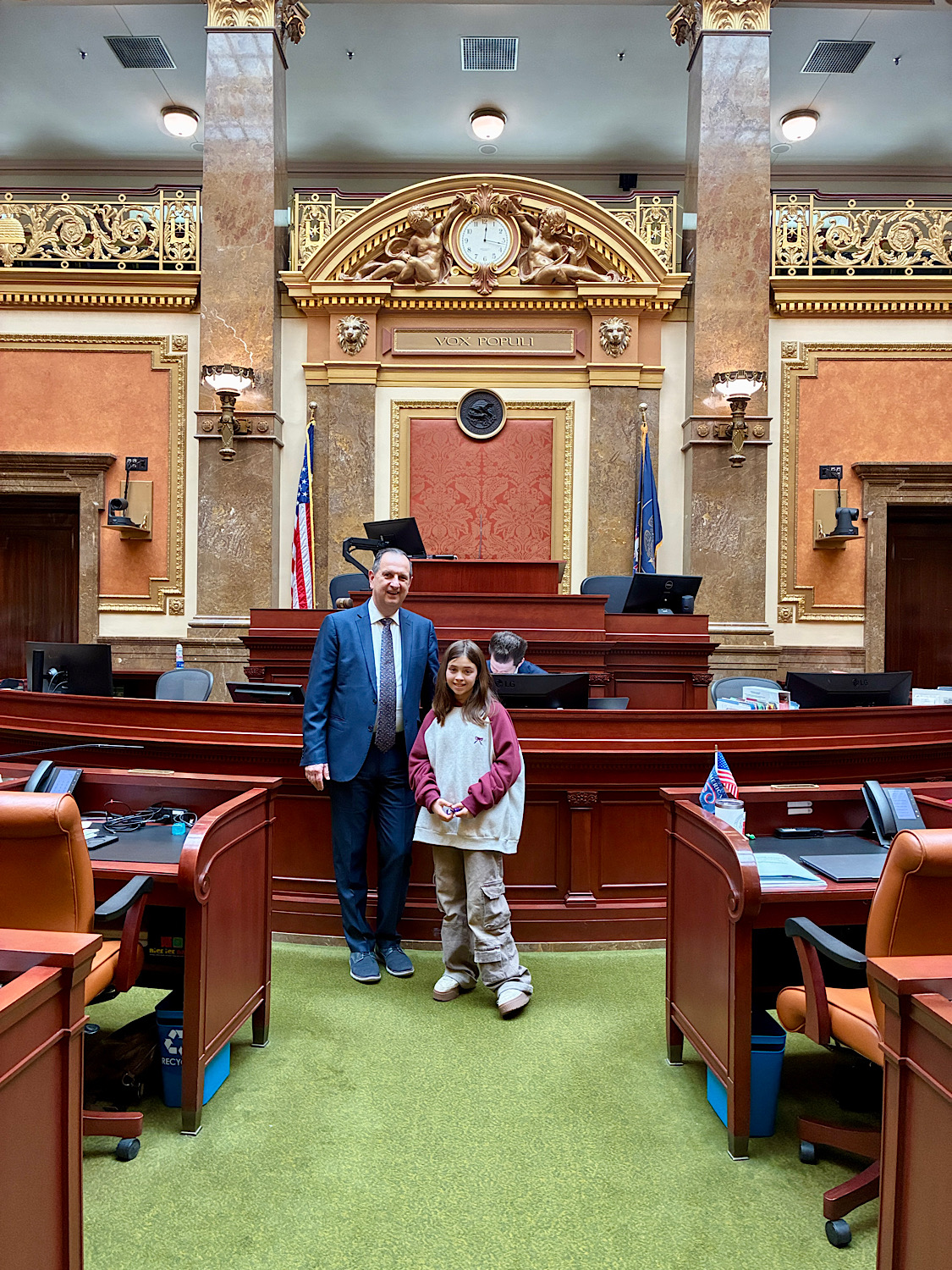
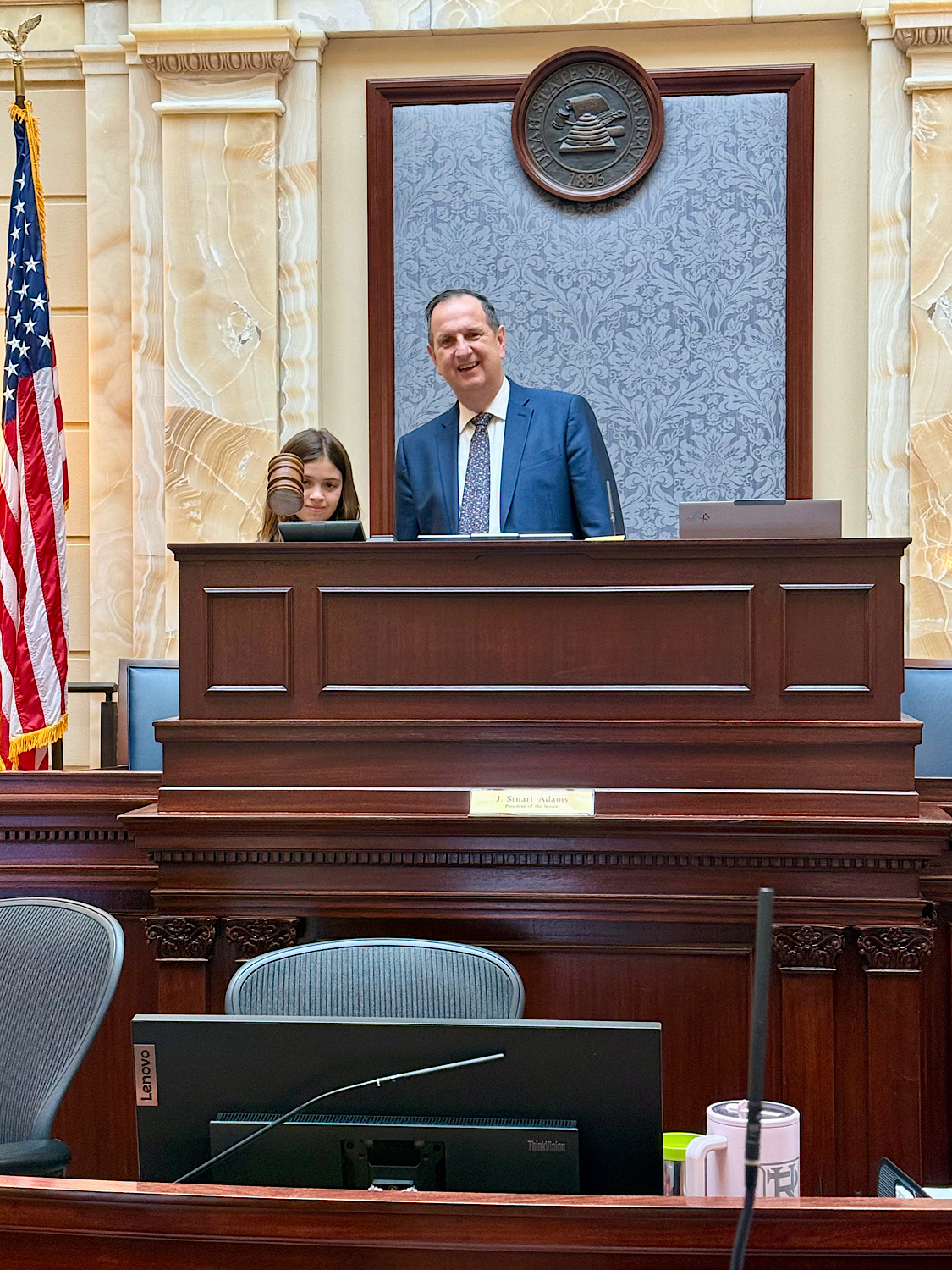
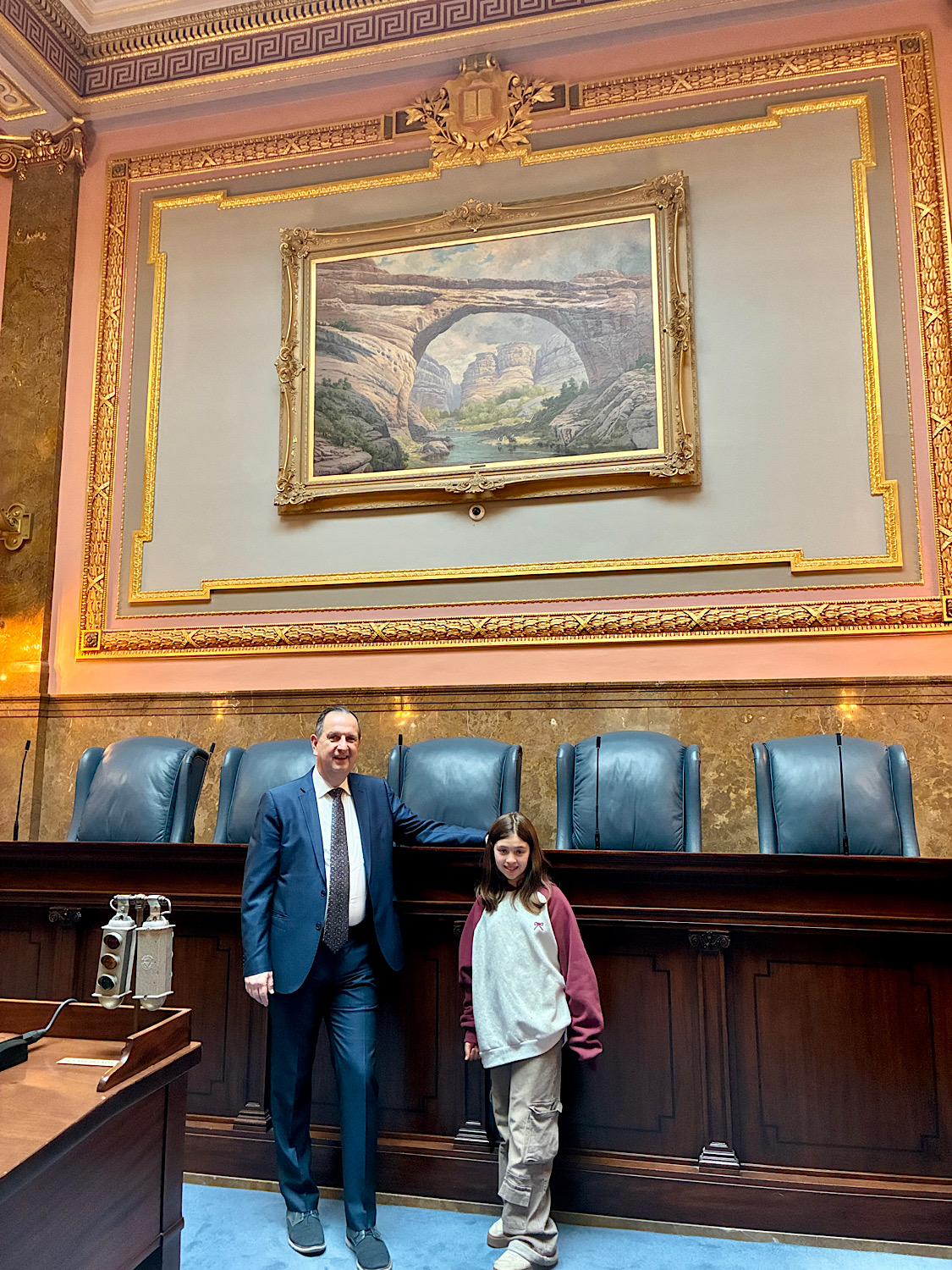
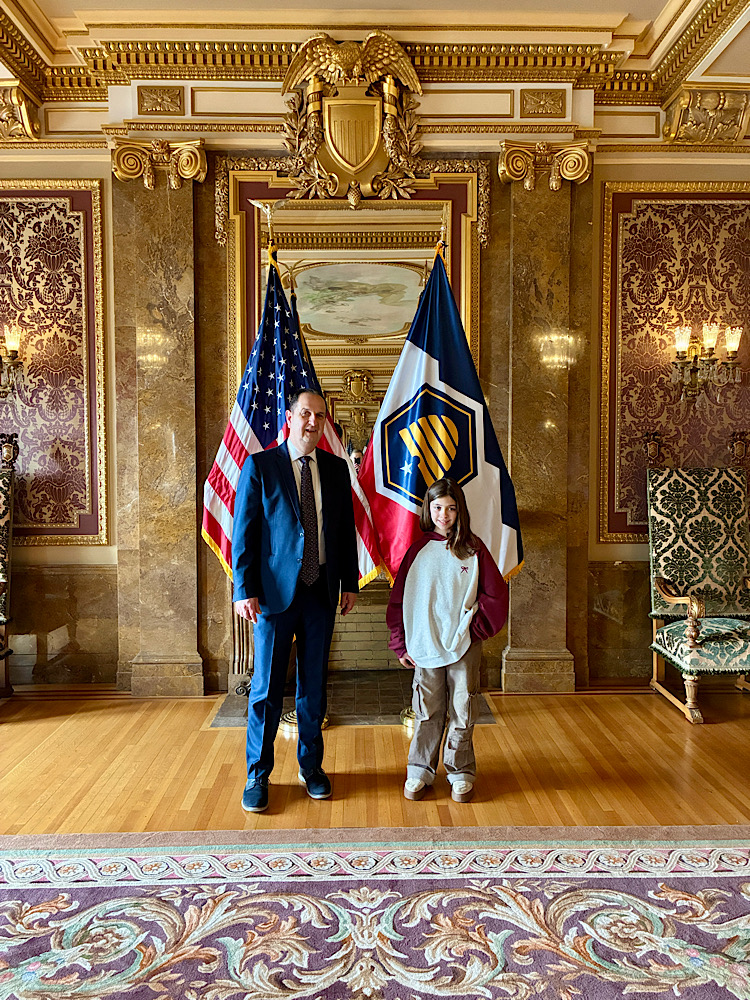
I also had the chance to spend some time with my great-niece, Mckynleigh, who visited the Capitol on a 4th-grade field trip from Morgan Elementary. I sneaked her away for a behind-the-scenes tour of the House and Senate Chambers, the Utah Supreme Court, and we took a quick photo together in the Gold Room. Moments like that don’t happen often, and I will always remember it.
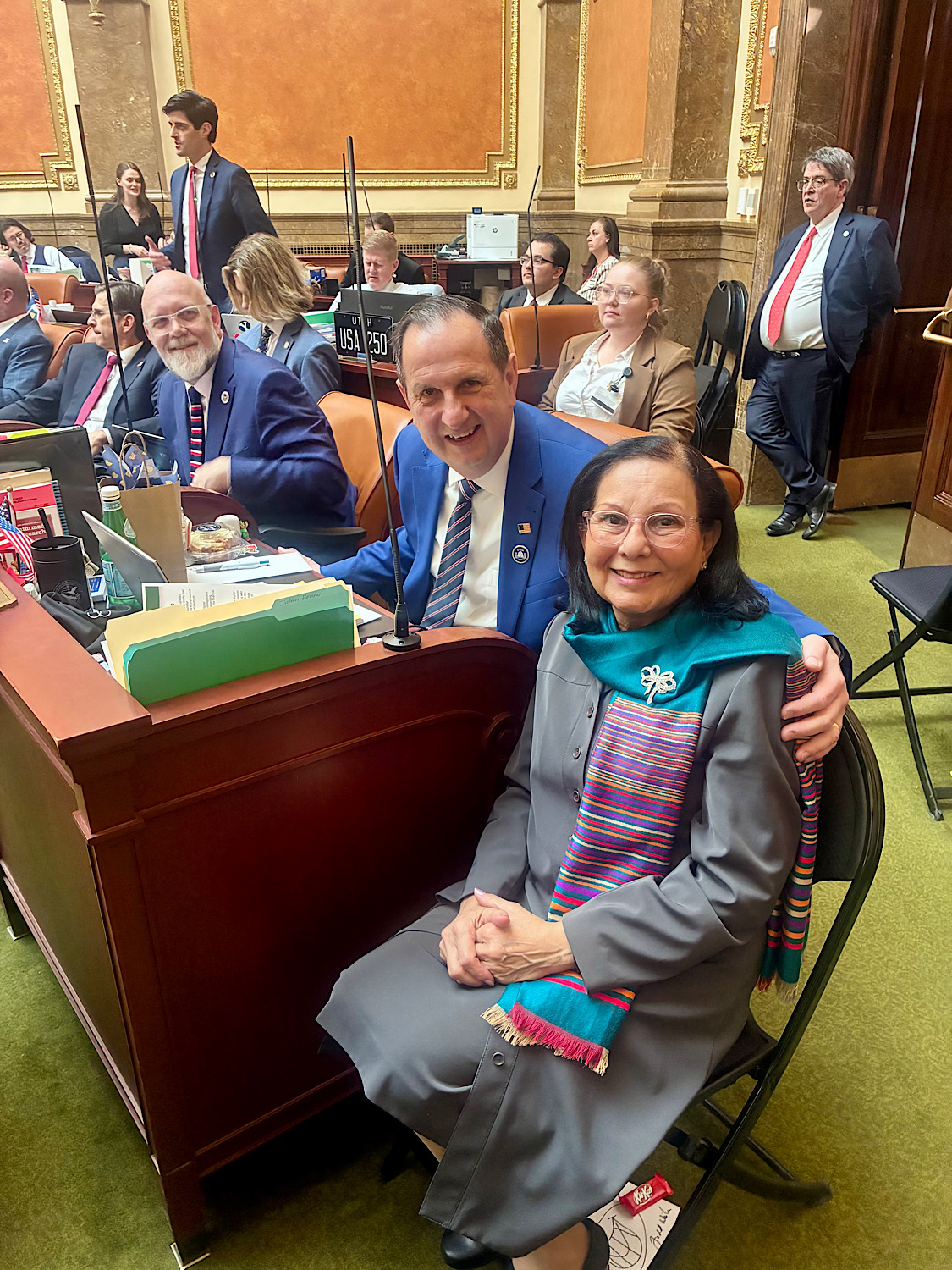
On the final night of the session, I was surprised and thankful when my wife, Maria, called to say she was at the Capitol. Having her there during those last hours, voting right up until 11:59 PM, made the long night much easier.
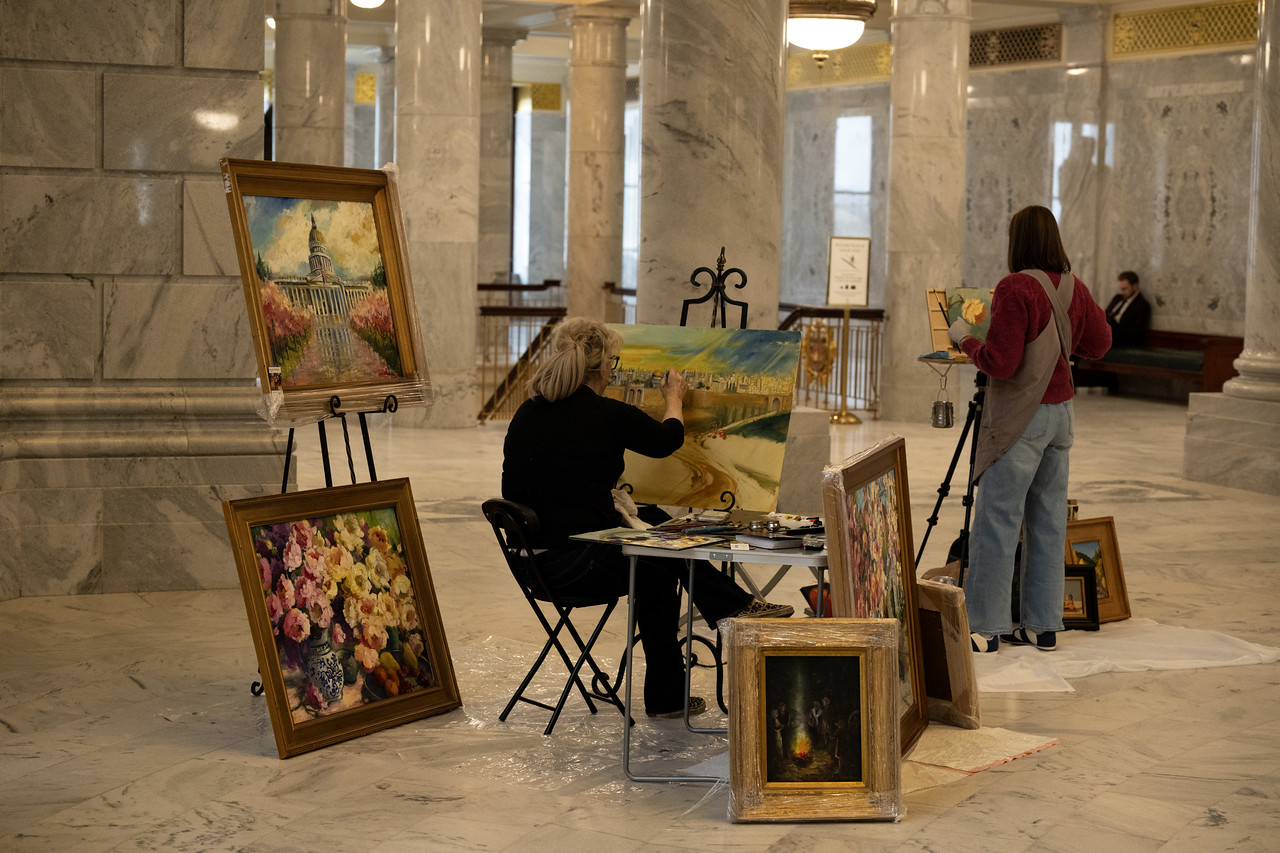
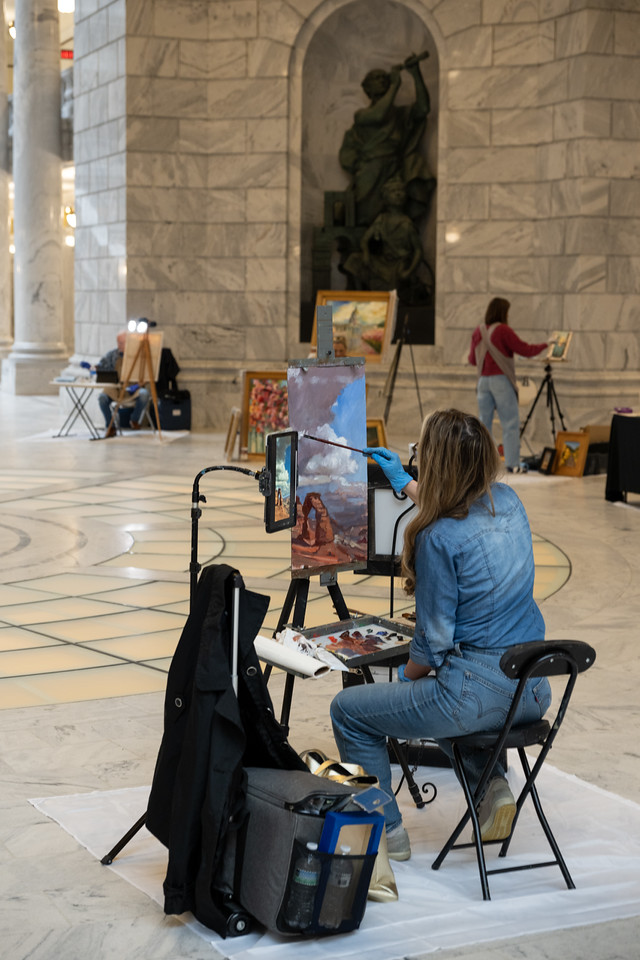
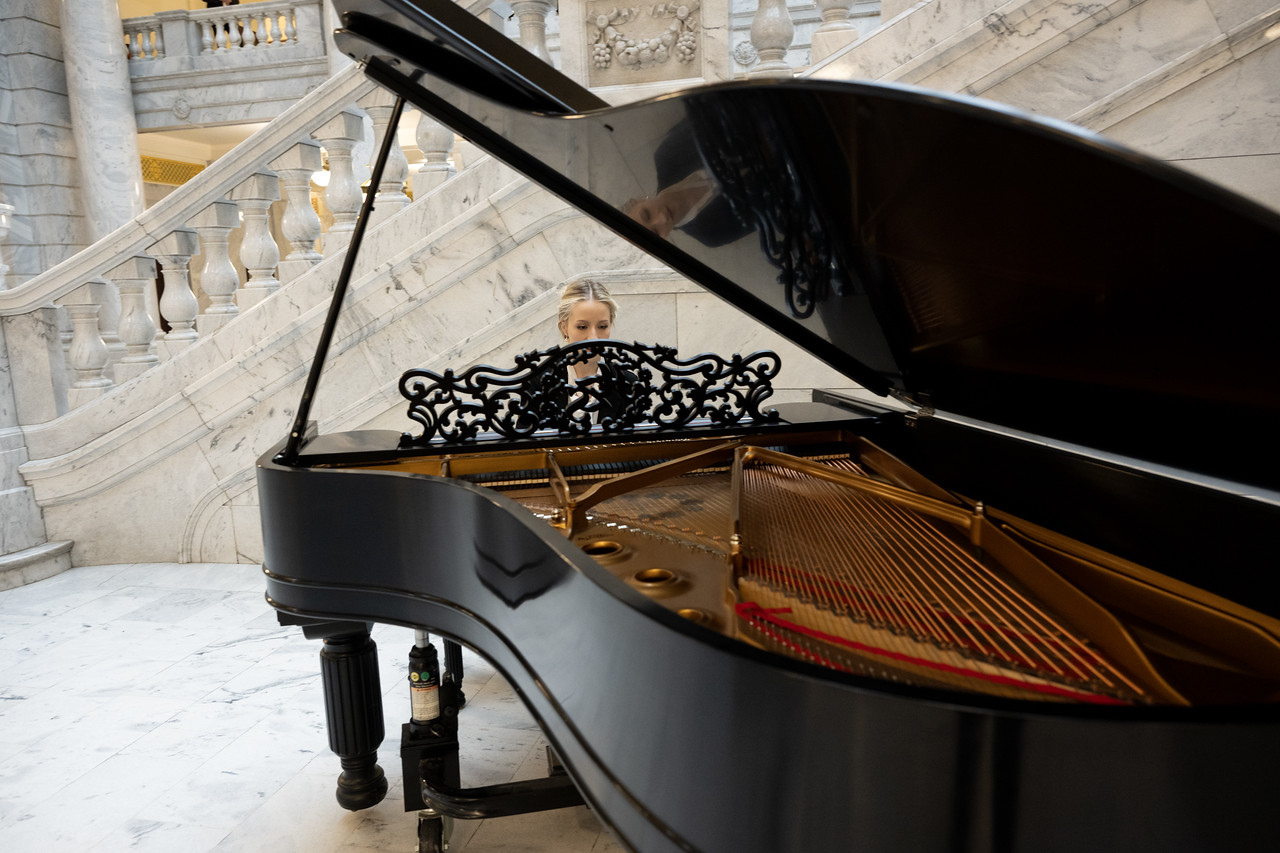
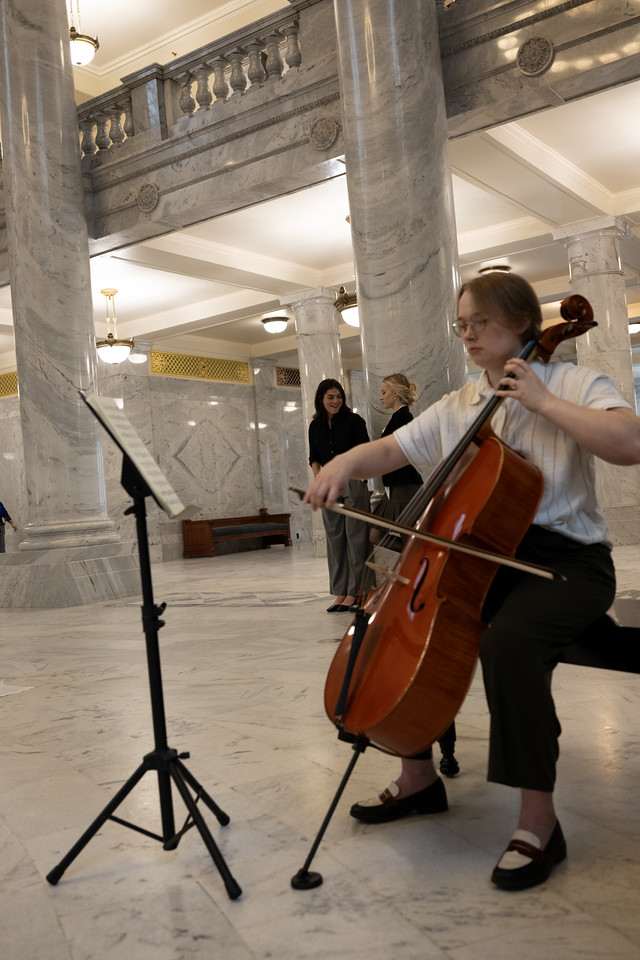
And amid all the legislative hustle, the Rotunda was quietly filled with something special this week. A group of talented artists set up throughout the building, painting live as the day went on. Two musicians played on a grand piano and a cello. Watching the canvases develop over the course of the day was a true joy, a reminder that the Capitol belongs to everyone.
Investing in the Future
Every dollar we invest in education is a promise to the next generation. This session, I’m proud to share that we’ve secured a 5.9% overall increase in education funding, which equals more than $142 million in new resources directly supporting our schools.
But this isn’t just about keeping the lights on. It’s about preparing Utah’s kids for the world waiting for them after graduation.
We’ve invested over $72 million in strategic innovation, including $35 million for professional education experience centers and nearly $4 million for student credential accounts—tools that provide students with real, portable proof of the skills they’ve earned.
By updating technology programs and expanding career-connected learning opportunities, we’re ensuring that a Utah diploma signifies more than just seat time. It represents our graduates walking out equipped with in-demand certifications, practical experience, and the confidence to thrive in our state’s growing high-tech economy. Our children deserve both a quality education and a clear way ahead. That is precisely what we’re creating together.
Progress on Sponsored and Floor Sponsored Bills
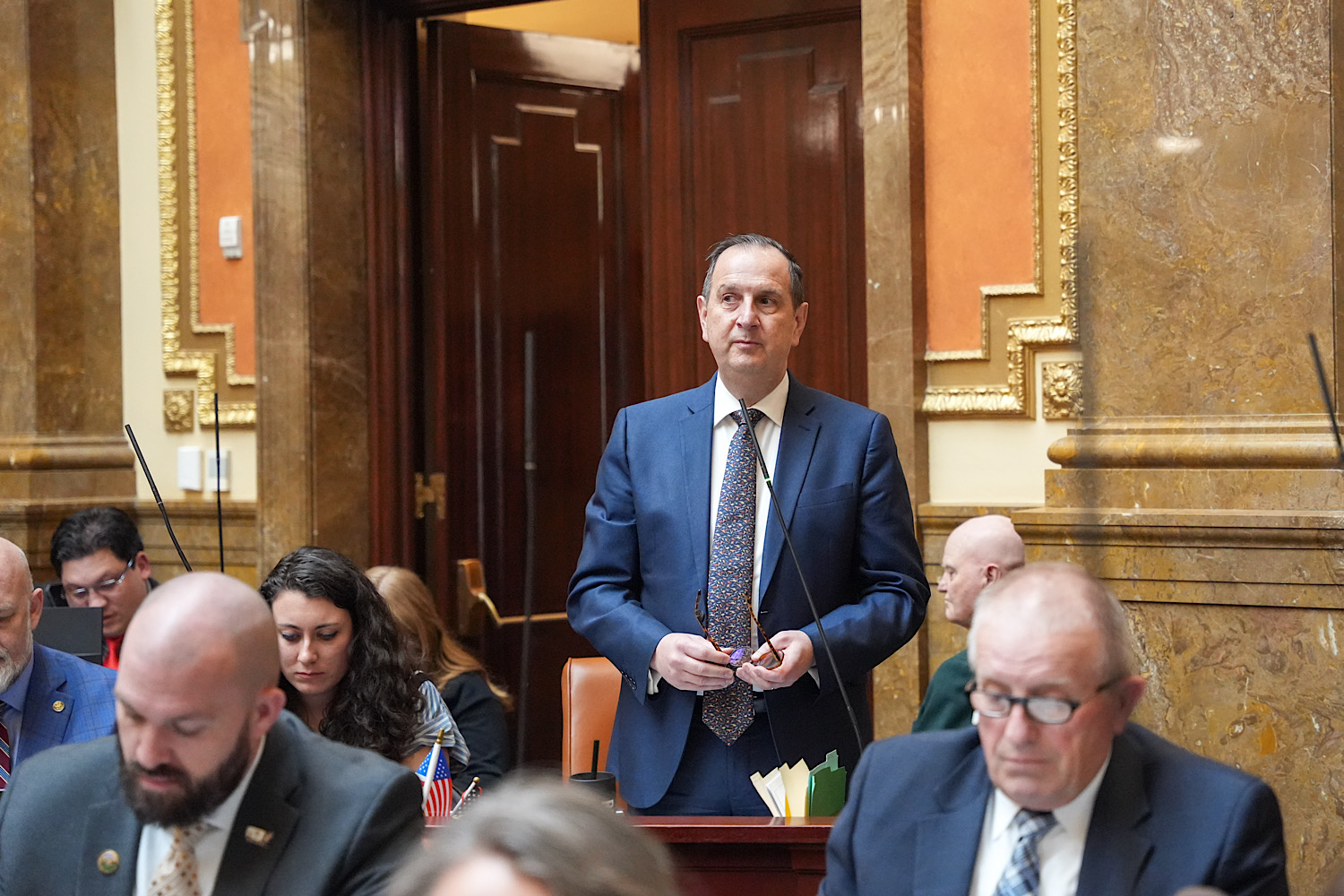
With the session coming to an end this week, I am glad to report that all of the bills I sponsored this session, except one, passed in some form. Whether they were passed on their own or combined with a bill from one of my colleagues working on a similar topic, they succeeded. Most of this week was spent on the floor voting on bills, but I still had work to do on some of my own bills.
HB 129 – Education Board Amendments & HB 394 – Veterinary Amendments
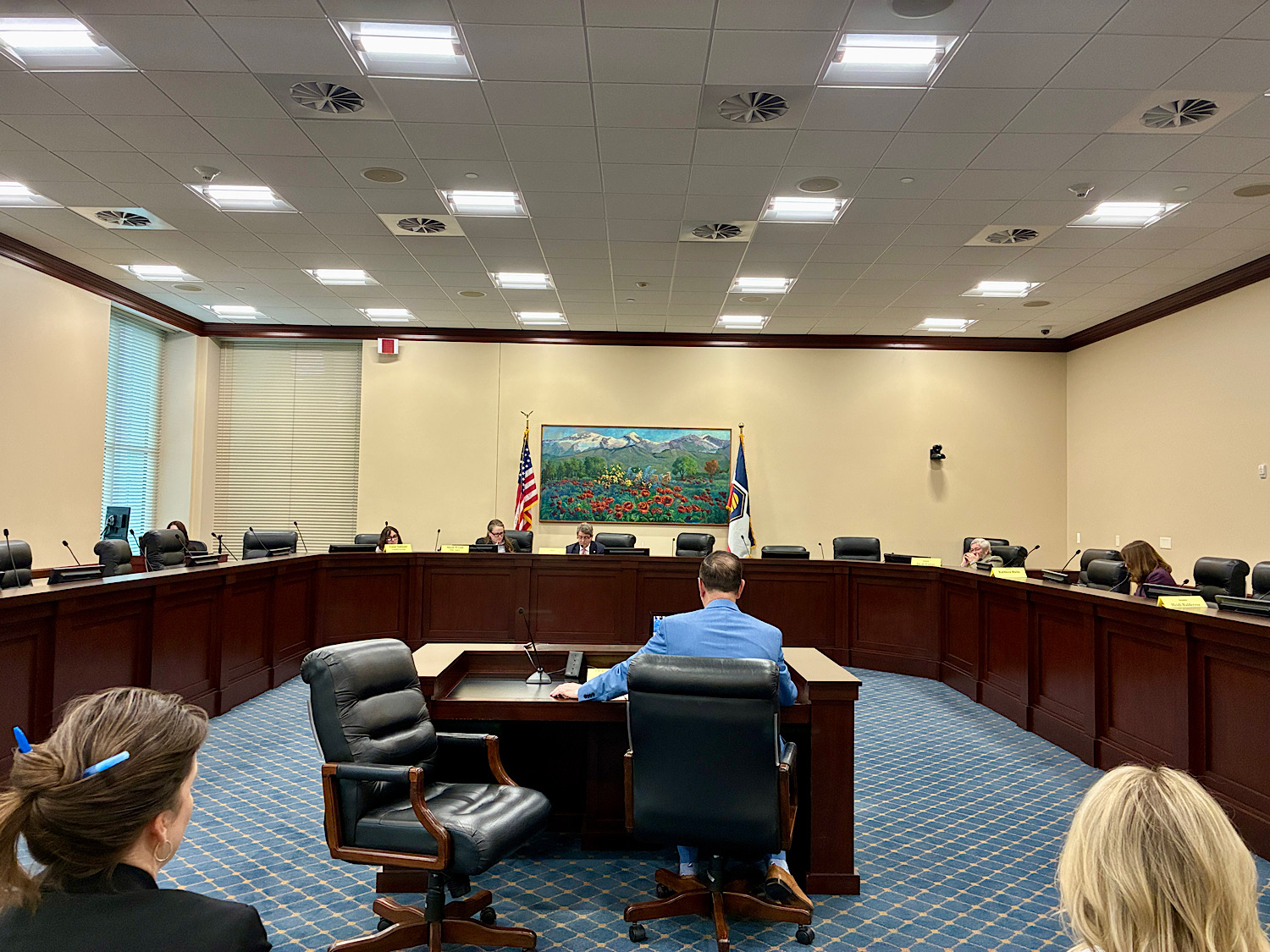
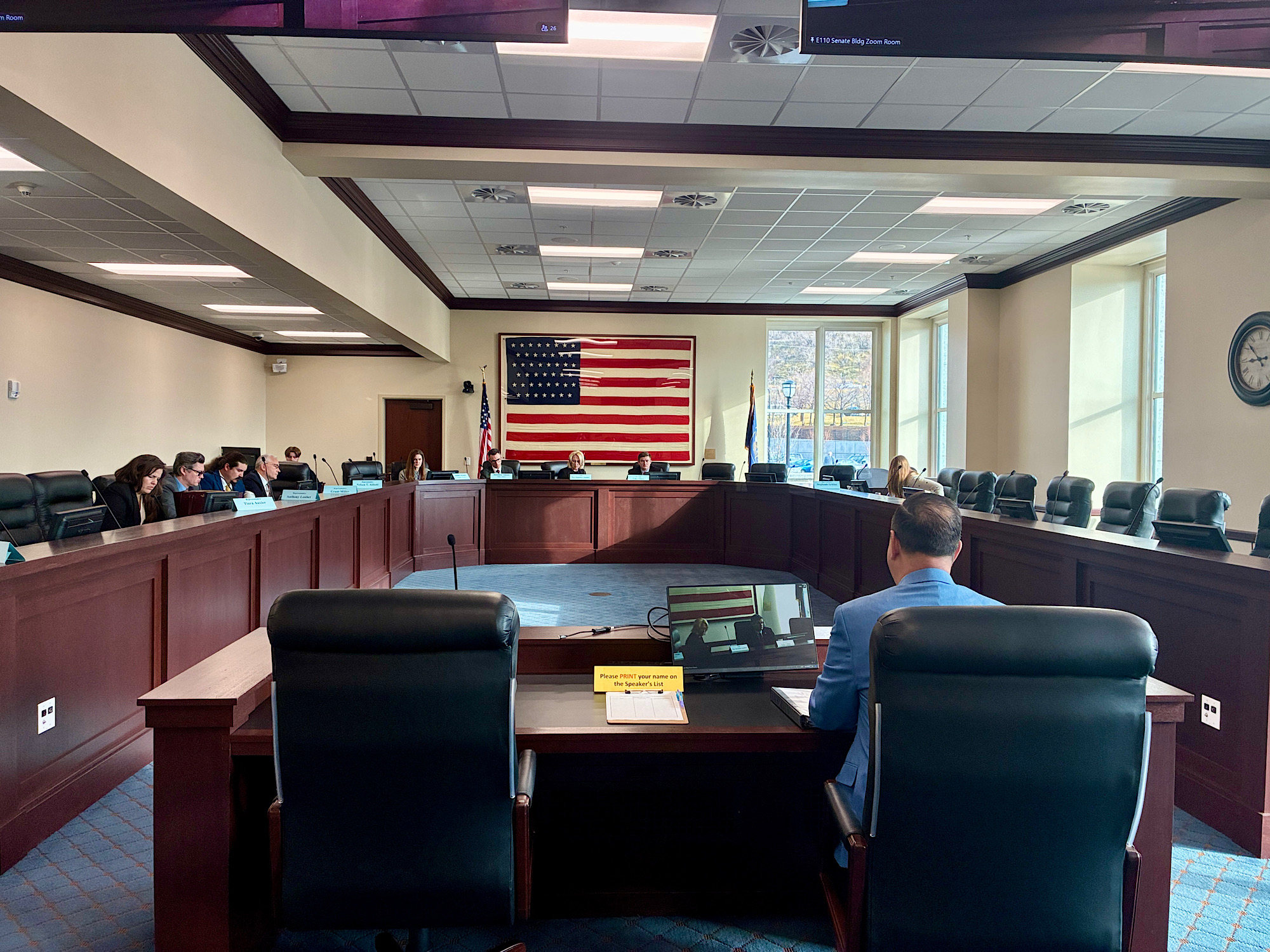
This week, I also presented HB 129 and HB 294 to the Senate Education Committee. This was one of the final days for bills to be heard in committee, so if they were not favorably recommended, they would not complete the process to become statutes. Following my presentations, both bills were favorably recommended by the committee and moved to the Senate floor, where they were later passed.
HB 231 – Restaurant Tax Repeal Amendments
This bill repeals the Restaurant Tax, which was intended to be a tourist tax paid by visitors to our state who purchase prepared food, such as at a restaurant. Unfortunately, this tax has been paid more often by local residents rather than tourists. People living in one county and traveling to another are paying this tax, even if the visiting county is nearby or across county lines. Residents also pay this tax when they go to a nearby county for a meal if their own county doesn’t have a restaurant. This tax unfairly burdens residents, such as a single parent heading home after work who is too tired to cook and instead buys pizza for their children, thereby contributing to this tax.
I proposed lowering the rate and broadening the base to ensure that most counties would receive the same, or even more, money than they gained from the restaurant tax. This would spread the tax across a wider range of goods, not just prepared foods, and reduce the tax rate on these items.
Before I knew this deal was going to fall through, I had the opportunity to present my proposed solution to the House Judiciary Committee, which issued a favorable recommendation. Unfortunately, when this bill reached the House floor, it did not pass, making it my only failed bill of the session.
SB 229 – State Employee Benefits Program (Sponsored by Senator Fillmore)
This updated version directly addresses the messages we received from many of you who strongly preferred maintaining your current leave structure. We listened, and the most important change in this version is that transitioning to the new Paid Time Off (PTO) program is now entirely voluntary for current employees. We understand that each employee’s situation is unique. Whether the new PTO model or your existing leave plan is better for you, the main goal of this final version is to provide you with the flexibility and choice to select what best meets your needs and supports your career.
For those who choose to switch to the new plan, here’s what you should consider. There are basic changes involving the combining of sick leave and annual leave into a single new category called PTO. While the total amount will be less per pay period, employees gain other benefits – the “ramp up” to additional hours happens faster, the ability to carry leave forward each year increases (from a 320 to a 360 cap), and the potential cash value of unused leave at retirement or termination is improved through simplified conversion to your deferred compensation accounts.
We are also enhancing the retirement matching program—moving from a fixed $26 per pay period to a 2% additional match for employees who contribute 4% to their 401(k). For nearly all employees, this results in an actual cash increase in compensation. This version of the bill also strengthens and improves agency leave bank programs to ensure they are reliably available to employees with needs.
But the key point is that even if this isn’t suitable for you, you still have the choice.
Thank you for your engagement and for sharing your concerns with us. Your feedback was vital in helping us develop a policy that respects your choices and supports those who serve our state.
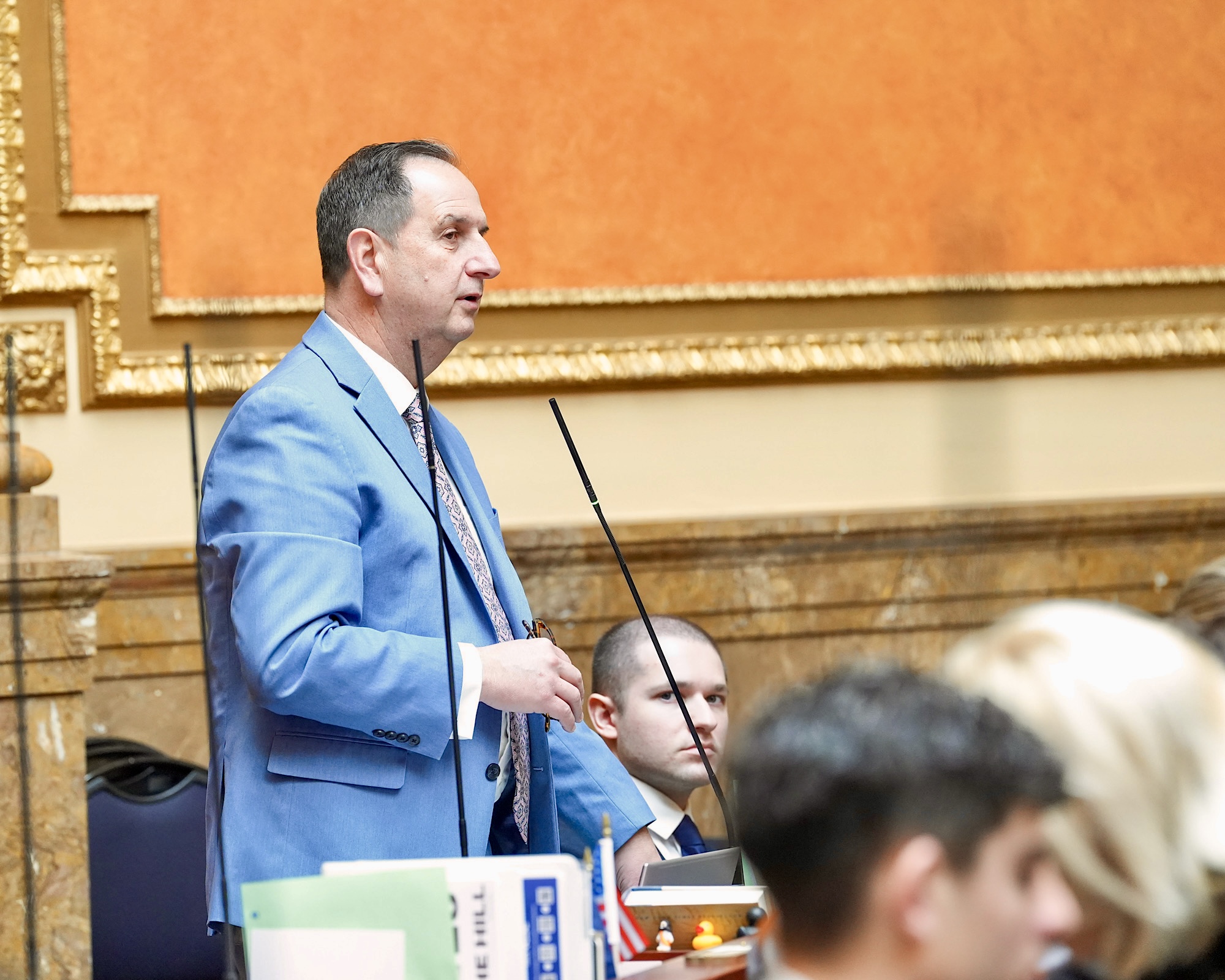
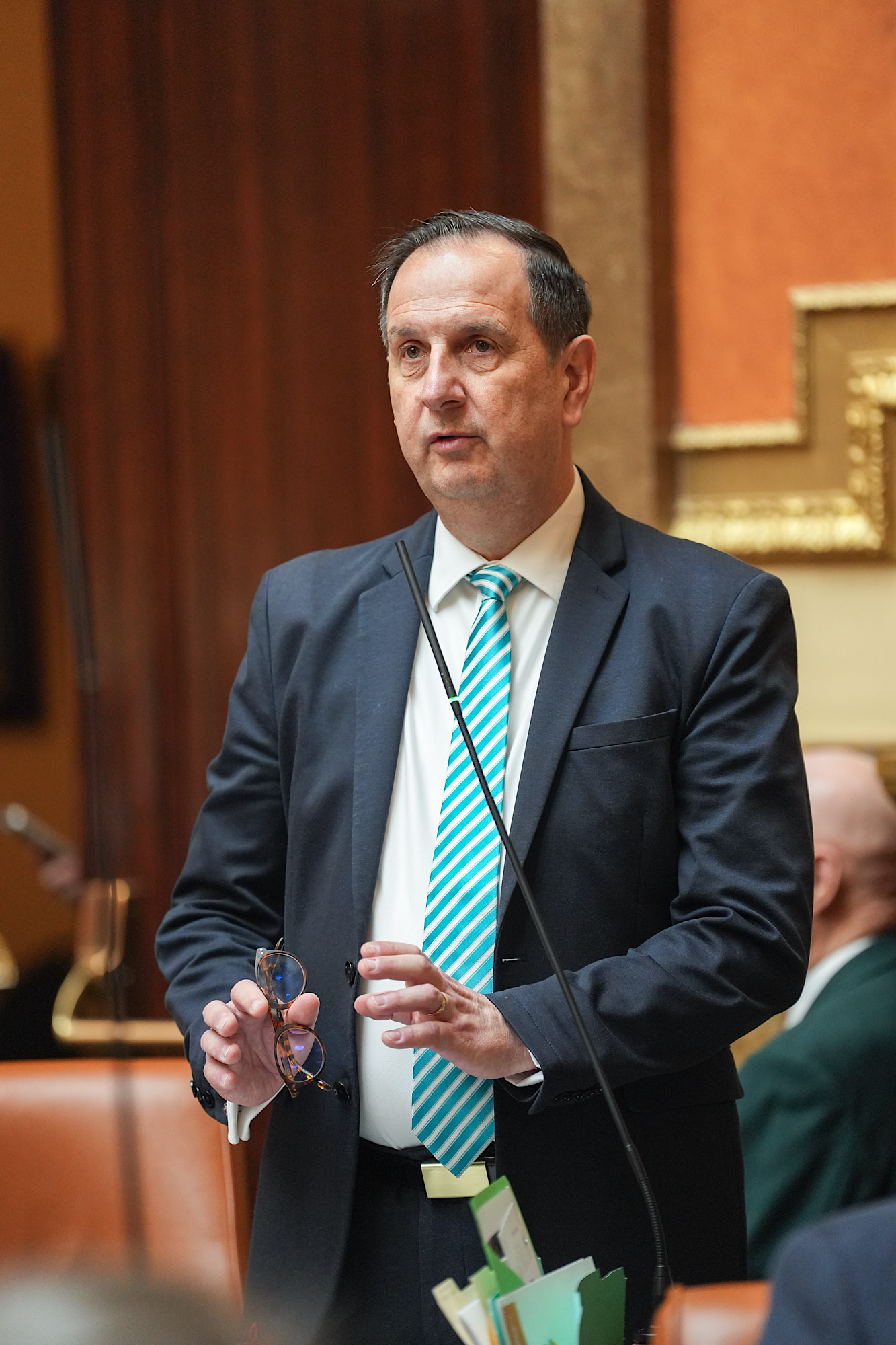
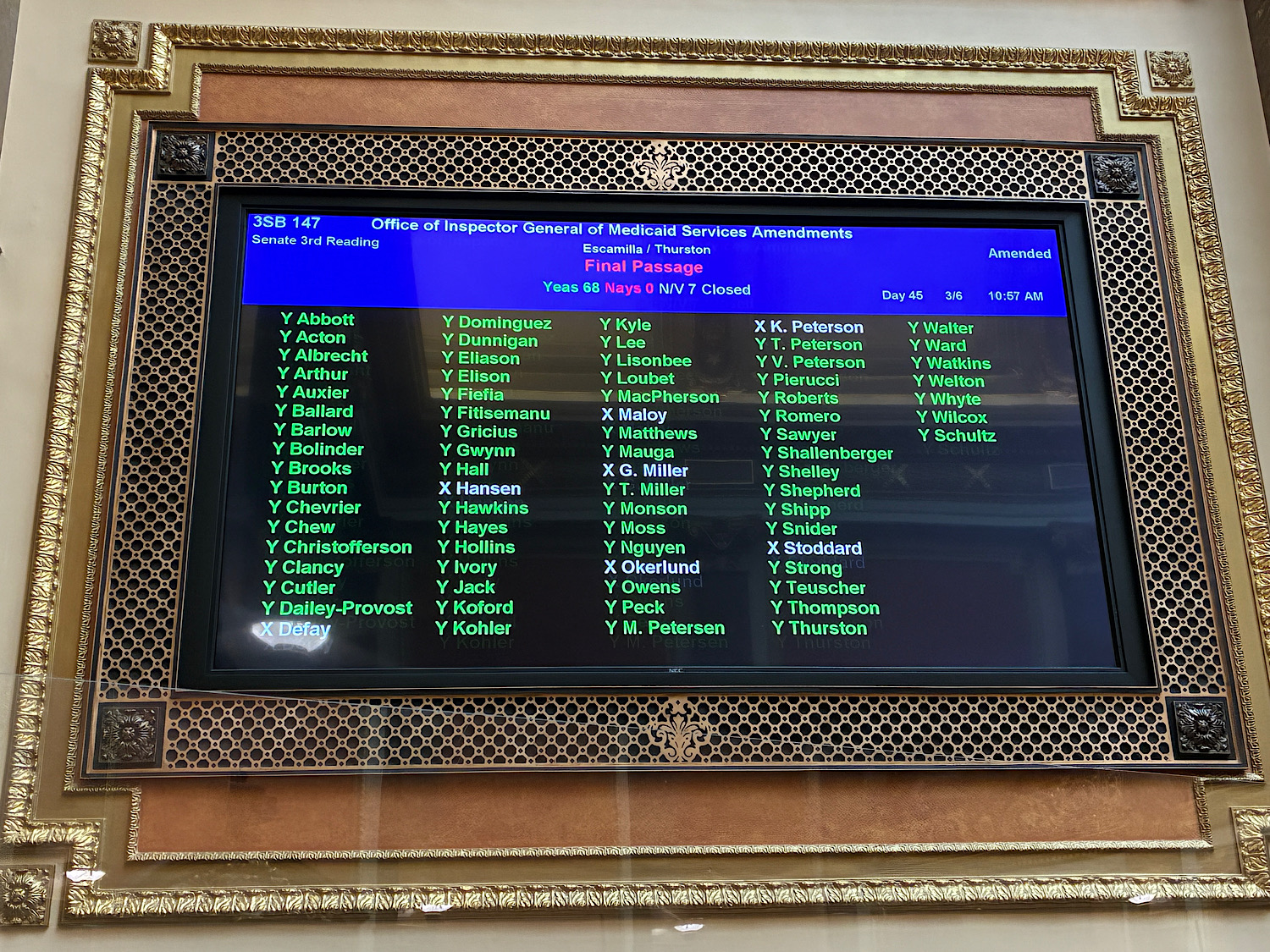
SB 147 – Office of Inspector General of Medicaid Services Amendments (Sponsored by Senator Escamilla)
SB 147 reorganizes Utah’s Medicaid Inspector General office by integrating it into the Department of Government Operations instead of keeping it as a separate, independent entity. It also introduces new oversight and accountability measures, including performance metrics, an advisory board, and expanded reporting to the Legislature. The aim is to improve coordination and transparency in the state’s audits and investigations of Medicaid fraud, waste, and abuse. The bill was unanimously passed by the House and is now moving through the enrollment process to become law.
Norm in the News
- How Utah’s state employee benefits will likely change this year – The Salt Lake Tribune‘Gas station heroin’ ban passes Utah Legislature – The Salt Lake Tribune
Final Bill Status
| Bill | Status | Summary |
| HB 22 | PASSED | Replaces the Vintage Vehicle program with a “Classic Vehicle” designation to prevent registration fee and emissions test evasion. Removes the requirement for non-OBD-II vehicles to have emissions tests. |
| HB 74 | PASSED – Merged with HB 32 | Allows more than 2 signatures per page in referendum or petition packets. |
| HB 129 | PASSED | Clarifies roles between the Legislature, school boards, and the Superintendent. |
| HB 199 | PASSED | Strengthens and enhances the operational protocols, strategic planning, and protections for health data. |
| HB 231 | Failed | Repeals the restaurant tax. |
| HB 384 | PASSED | Clarifies the structure and oversight authority of the Department of Government Operations, including its divisions and offices. |
| HB 394 | PASSED | Reduces barriers for those pursuing a veterinary career |
| HB 505 | On Pause | Reclassifies certain taxes and fees related to vehicles and vehicle registration, designating service fees, regulatory fees, and vehicle taxes. |
| HJR 10 | PASSED – Merged with HR 7 | Allows sponsors to share and publicize supporting bill information. |
| HR 3 | PASSED | Allows sponsors to formally abandon legislation before the 3rd Reading. |